

Does PPF Really Prevent Rock Chips on Florida Highways? A Fort Pierce Driver's Guide

Sun Stoppers Window Tinting Blogger • September 24, 2026

If you've spent any time driving I-95, Florida's Turnpike, or US-1 through the Treasure Coast, you already know the truth: loose gravel, sand, and road debris are a constant threat to your car's paint. So when you're researching paint protection film, the question isn't whether PPF sounds good in theory — it's whether it actually holds up against real rock chips on real Florida highways. This guide gives you a straight answer, explains how PPF actually works, and covers what it can and can't protect against.

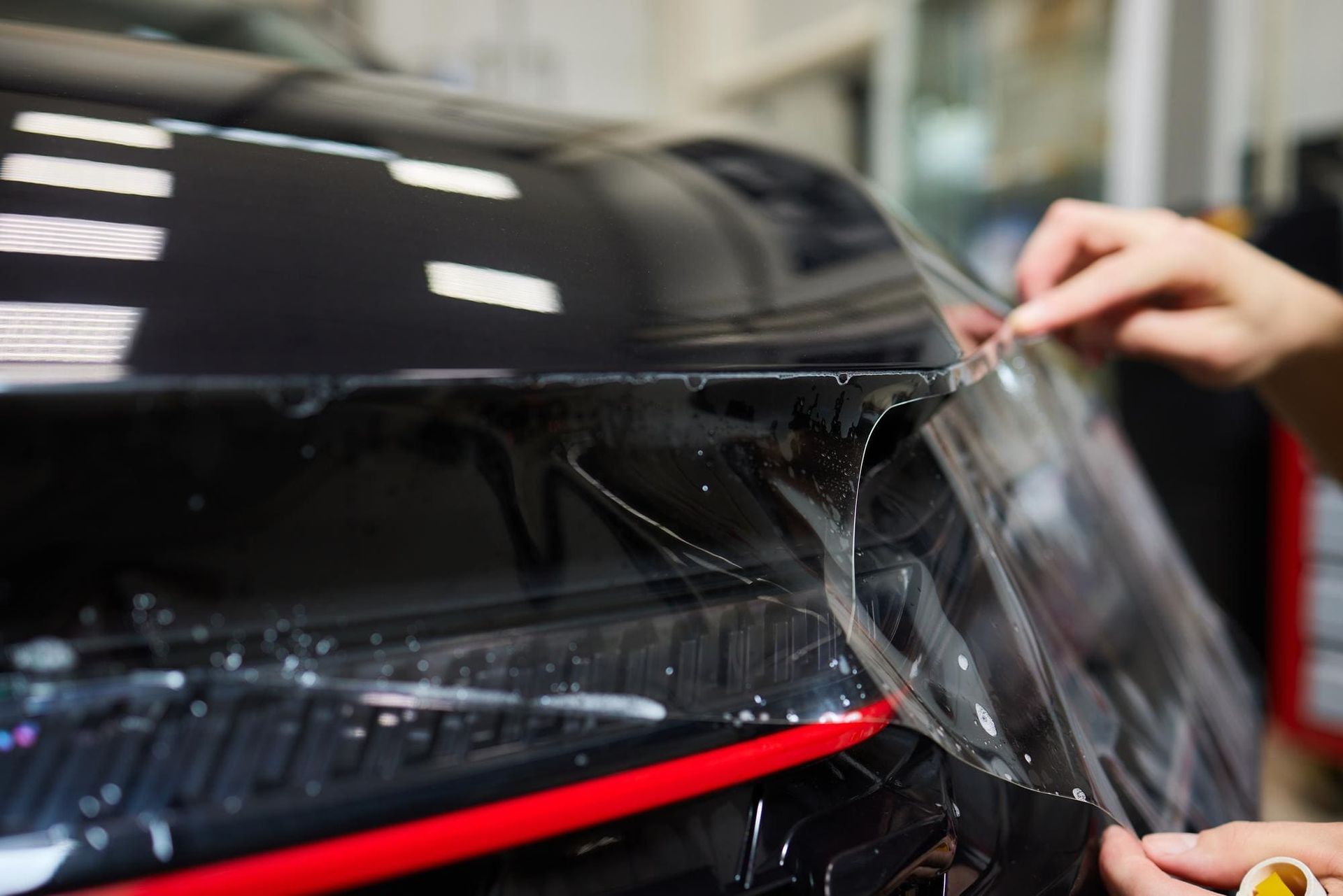
PPF rock chip protection

The Honest Answer: Yes, But With Real-World Limits

Paint protection film substantially improves your car's resistance to rock chips, but no film — including premium PPF — can guarantee protection from every single impact. That's not a marketing dodge; it's simply how physics works. A transparent urethane film applied directly over your painted panels acts as a physical barrier that absorbs the force of small rocks, gravel, and road debris before it reaches your clear coat and paint. Most day-to-day impacts — the kind you pick up on a normal commute or highway drive — are exactly what PPF is built to handle. Severe or unusually sharp impacts can still damage the film or, in rare cases, the paint beneath it, but the difference between a PPF-protected panel and bare paint after a few years of Florida driving is dramatic.

Why Florida Highways Are Especially Hard on Paint

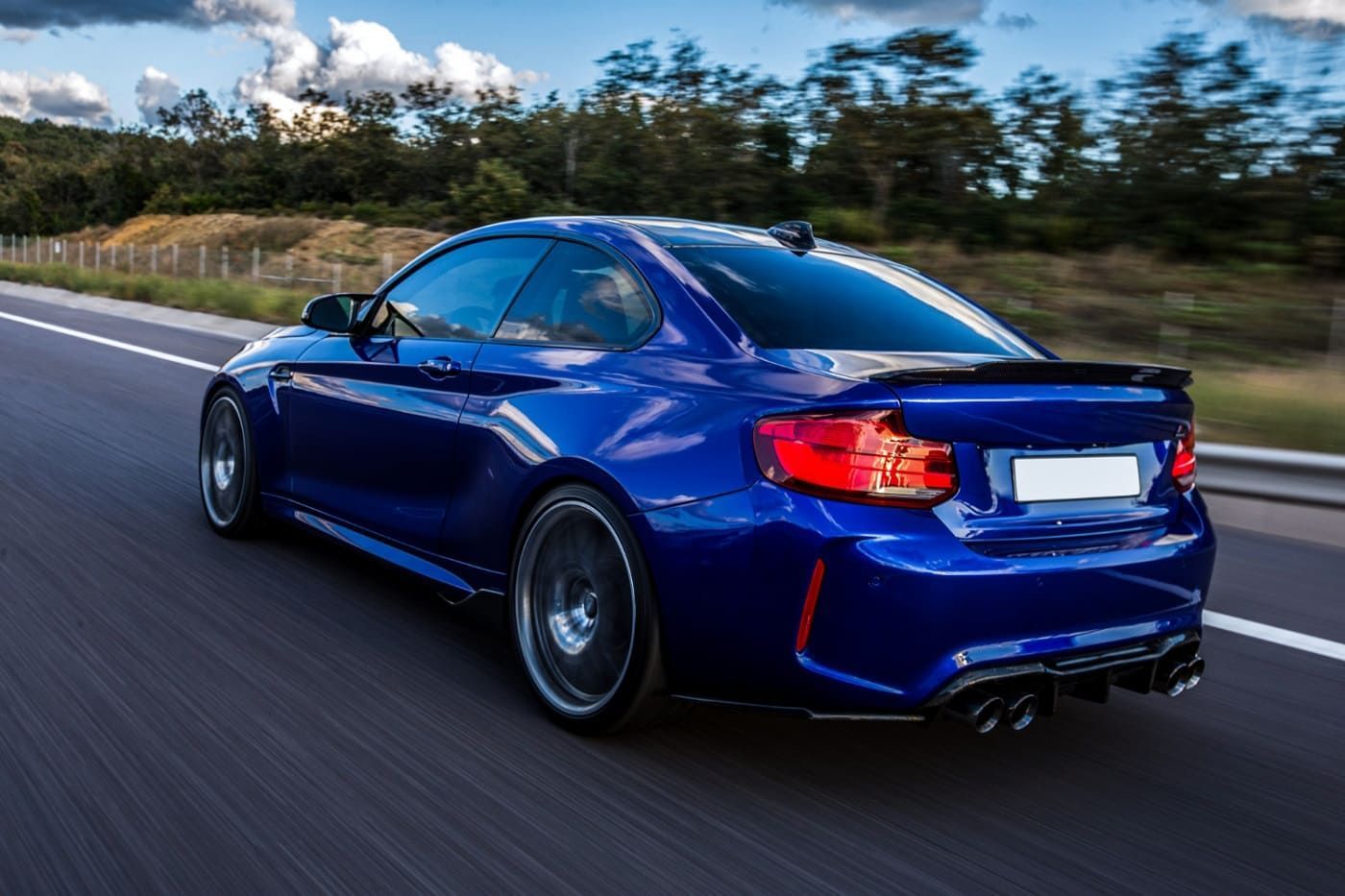
Every trip on I-95, Florida's Turnpike, US-1, or local St. Lucie County roads exposes your vehicle to loose gravel, sand, insects, road tar, tree sap, and other contaminants. The front bumper, hood, fenders, mirrors, rocker panels, and lower doors take the brunt of it, often collecting permanent chips and surface damage long before the rest of the vehicle shows any wear at all. Add in Florida's intense sun and humidity, and unprotected paint faces a tougher environment than it would in most other parts of the country — which is exactly why PPF has become such a common investment for drivers throughout Fort Pierce, Port St. Lucie, and the surrounding Treasure Coast.

How PPF Actually Stops Rock Chips

Understanding the mechanics helps explain why PPF works as well as it does.

1. It's a Physical Barrier, Not a Coating

Unlike wax or ceramic coating, which are chemical layers that sit on top of your paint, PPF is a thick, transparent urethane film that physically absorbs the impact of a rock or piece of debris before it ever reaches your paint or clear coat.

2. It Covers the Panels That Take the Most Hits

The areas that collect the most rock chip damage — hood, front bumper, fenders, mirrors, headlights, rocker panels, and lower doors — are exactly the panels PPF is designed to protect first.

3. Self-Healing Technology Handles the Small Stuff

Premium PPF uses a heat-responsive topcoat that helps reduce minor surface scratches and swirl marks in the film itself when warmed by sunlight or the vehicle. This keeps the surface looking smooth and clear even after picking up the kind of light marks that accumulate from regular driving. It's worth noting that self-healing applies to minor marks in the film — it doesn't repair deep cuts, punctures, or damage that penetrates all the way through.

4. Stain and Hydrophobic Resistance Add Extra Defense

Beyond impact protection, hydrophobic and stain-resistant topcoats help repel insects, oil, road tar, dirt, and moisture, which makes the protected surface both more resistant to permanent staining and easier to maintain.

What PPF Coverage Actually Looks Like

Not every vehicle needs — or benefits from — the same amount of film. Coverage typically comes in a few practical tiers.

Coverage Level Areas Protected Best For
Partial Front Coverage Partial/full hood, front bumper, partial front fenders, mirrors, headlights Daily drivers wanting meaningful protection at a more accessible cost
Full Front Coverage Full hood, full front bumper, full front fenders, mirrors, headlights, optional A-pillars/roof edge Drivers who want broader protection across the whole front end
Full Vehicle Coverage Complete front-end, full doors and quarter panels, rear bumper, trunk, roof, rocker panels, lower doors New cars, luxury and performance vehicles, collector cars, or owners protecting nearly every panel
best PPF for rock chips

PPF vs. Ceramic Coating vs. Wax: Where Rock Chip Protection Actually Comes From

This comparison matters because a lot of car owners assume ceramic coating protects against rock chips the way PPF does — it doesn't.

Protection Feature Wax or Sealant Ceramic Coating Paint Protection Film
Rock-Chip Protection None None Strong
Physical Impact Barrier None None Yes
Minor Scratch Resistance Minimal Limited Strong with self-healing film
Hydrophobic Performance Temporary Strong Available on selected films
Stain Resistance Limited Strong Strong
Self-Healing Surface No No Yes on premium PPF
Best Application Temporary finish enhancement Chemical and water repellency Chips, impacts, and surface damage

Wax and ceramic coating both sit on top of your paint chemically, adding gloss and, in ceramic's case, strong water and dirt repellency. But neither one has the physical thickness to absorb a rock's impact. PPF is the only option of the three engineered specifically to be a physical shield — and PPF and ceramic-style protection can actually complement each other. Some premium films, like LLumar Valor, combine self-healing PPF with an ultra-glossy, hydrophobic ceramic-style finish in a single product.

What PPF Can't Do

Being upfront about the limits matters. No film can guarantee protection from every impact — a severe or sharp hit can still damage the film or, less commonly, the paint underneath. Self-healing technology addresses minor scratches and swirl marks, not deep cuts or punctures. And while PPF is a strong long-term investment, service life varies depending on the specific film, your driving habits, exposure, and how well it's maintained. Choosing a premium film with a strong manufacturer warranty — some LLumar PPF products carry a 10-year limited warranty — is the best way to know exactly what protection you're getting.

Frequently Asked Questions

  • Can PPF prevent every rock chip on the highway?

    No film can guarantee protection from every impact. PPF substantially improves protection against common road debris, but severe or sharp impacts can still damage the film or paint.

  • Is PPF worth the cost for regular highway driving?

    For drivers who regularly cover ground on I-95, Florida's Turnpike, or other highways, PPF is often worthwhile because it provides physical impact protection that wax and ceramic coatings simply don't offer.

  • Does PPF really self-heal from scratches?

    Premium PPF uses a heat-responsive topcoat that can reduce minor surface scratches and swirl marks when warmed by sunlight or the vehicle. It cannot repair deep cuts or punctures.

  • How long does paint protection film last?

    Service life varies by film, exposure, and maintenance. Selected premium LLumar PPF products include a 10-year manufacturer's limited warranty, while other products may have different terms.

  • Which parts of my car should be protected first?

    For most vehicles, the front bumper, hood, front fenders, mirrors, rocker panels, and lower doors see the greatest exposure to rock chips and road debris, making them the top priority for coverage.

  • Can I add ceramic coating on top of PPF?

    Yes, compatible ceramic coatings can be applied over certain PPF products, and some premium films already combine self-healing PPF with a hydrophobic ceramic-style finish in one product.

Protect Your Paint From Florida's Roads With Professional PPF Installation

PPF genuinely does prevent the vast majority of rock chip damage that comes from daily driving on Florida highways — it's a physical barrier built specifically for that job, unlike wax or ceramic coating. No film can promise total immunity from every impact, but the difference between protected and unprotected paint after a few years on I-95 or the Turnpike is significant.


Sun Stoppers Window Tinting has been family-owned and serving Fort Pierce and the Treasure Coast since 1987, installing premium self-healing LLumar PPF with coverage options for every budget and vehicle. Call Sun Stoppers Window Tinting at (772) 468-3009 or request a free quote to find the right coverage for your car.

Share this article

Recent Posts

By Sun Stoppers Window Tinting Blogger • March 30, 2026
Worried window tint may affect GPS, phone, Bluetooth, keyless entry, satellite radio, or EV sensors? Ceramic tint keeps signals safe in Fort Pierce FL.
By Sun Stoppers Window Tinting Blogger • February 18, 2026
Fort Pierce, FL drivers: learn 2026 car window tint pricing, what affects cost, how film types compare, Florida legal limits, and why premium tint boosts comfort and UV protection.
By Sun Stoppers Window Tinting Blogger • December 31, 2025
Discover the best automotive window tint for Florida heat in 2026. Compare ceramic vs nano ceramic films for maximum heat rejection, UV protection, and legal compliance in Fort Pierce, FL.
By Sun Stoppers Window Tinting Blogger • November 18, 2025
Discover the top Tesla window tint trends for 2026. Explore nano-ceramic, IR, and smart tints for Model 3, S, X & Y to boost comfort, style, and efficiency.
By Sun Stoppers Window Tinting Blogger • October 9, 2025
Safeguard your Ferrari or Lamborghini's paint with clear bra film. Explore the benefits of professional installation and maintain your luxury car's value and allure.
By Sun Stoppers Window Tinting Blogger • September 17, 2025
Discover the diverse auto window tinting benefits, from cooling effects to enhanced privacy, using Llumar car window tint for optimal vehicle protection.
By Sun Stoppers Window Tinting Blogger • August 21, 2025
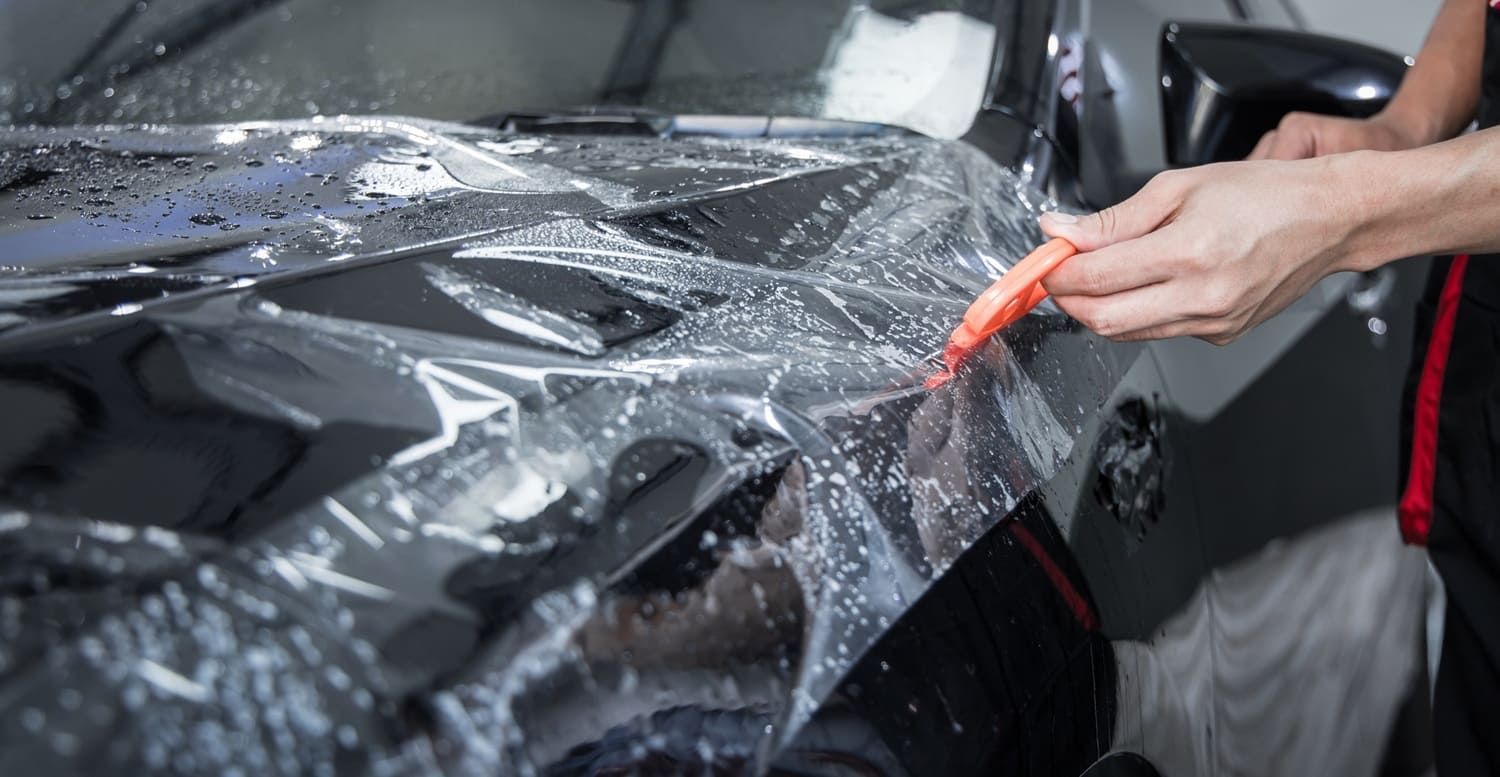
Keep your car pristine with PPF car protection. This durable film repels dirt, reduces the need for frequent washes, and maintains vehicle shine.
By Sun Stoppers Window Tinting Blogger • July 28, 2025
Upgrade your commute with premium window tint for enhanced comfort, privacy, and UV protection. Experience superior quality and clarity with Llumar auto options.

By Sun Stoppers Window Tinting Blogger • July 8, 2025
Protect your luxury Bentley, Rolls, or Ferrari with professional clear bra installation. Preserve aesthetics and value with top-notch auto detailing solutions.

By Sun Stoppers Window Tinting Blogger • June 19, 2025
Reduce glare and enhance safety with car tinting benefits. Discover how tinted windows offer UV protection, privacy, and improved driving comfort.

Show More

