
Best Automotive Window Tint for Florida Heat in 2026
Introduction: Florida Heat Demands the Best in Automotive Window Tint
Florida’s fierce sun is more than just a summer challenge—it’s a year-round test that impacts every vehicle in Fort Pierce, FL. In 2026, with temperatures that regularly soar and UV indexes that outpace much of the country, a parked car can become dangerously hot in minutes. Sweltering cabins not only make every drive uncomfortable, but they also accelerate the fading and cracking of interiors, dash materials, and leather. High temperatures can even degrade critical vehicle electronics and threaten safety systems over time. That’s why choosing a high performance
automotive window tint isn’t a luxury in Florida, it’s a necessity. The right tint film defends against blistering heat, damaging UV rays and glare, safeguarding comfort, style and resale value for years to come. In this guide, discover how to select the best automotive window tint for Florida heat in 2026—protecting your investment and ensuring a cooler, safer ride every day.

Table of Contents
- How Florida Heat Affects Your Vehicle
- Comparing Automotive Window Tint Films: Dyed, Carbon, Ceramic, and Nano Ceramic
- Heat Rejection and UV Blocking: Essential for Fort Pierce Drivers
- Clarity, Visibility, and Glare Reduction Across Tint Options
- Durability, Color Stability, and Fade Resistance in 2026 Films
- Legal Tint Levels and VLT Recommendations for Florida
- Choosing the Best Window Tint for Your Driving Needs
- FAQ: All About the Best Tints for Florida Heat
- Conclusion & Next Steps
1. How Florida Heat Affects Your Vehicle
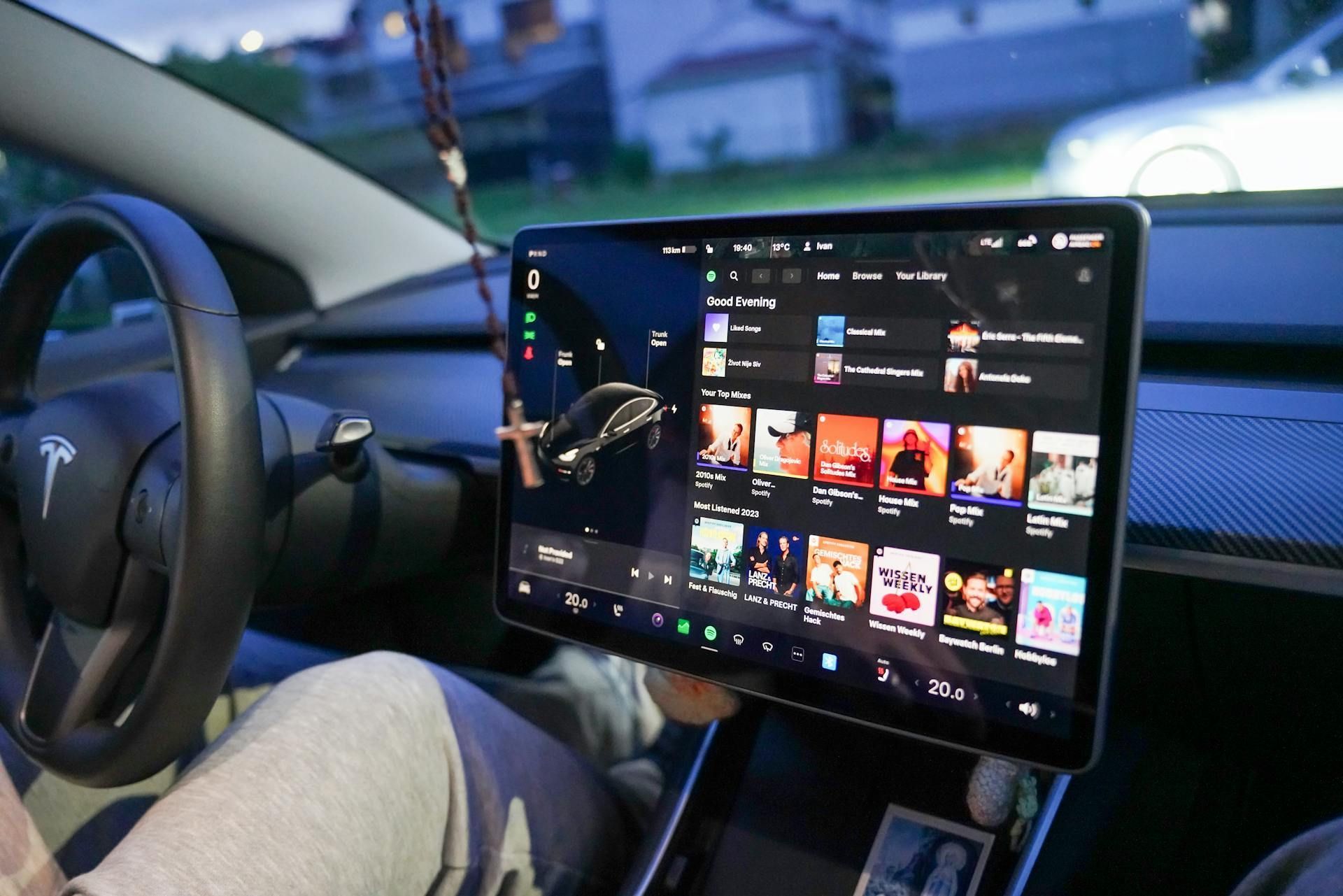
Fort Pierce drivers know the impact of Florida’s tropical sun firsthand. Prolonged exposure can raise vehicle interior temperatures to over 140°F in spring, summer, or even on clear winter days. This extreme heat rapidly dries and cracks leather, fades dashboards, weakens adhesives, and can even warp electronic displays or onboard computers. Air conditioning systems work harder, putting extra stress on engines and lowering overall fuel efficiency. But it’s not just discomfort—UV radiation passing through untinted glass accelerates fading and chemical breakdown in your car’s seats, trim, and touchscreens.
This is why Fort Pierce and coastal Florida vehicle owners are urged by experts and manufacturers to invest in
premium window tint solutions. The right film functions as both a heat shield and a UV barrier, providing tangible protection for all interior materials and electronics—prolonging both your vehicle’s lifespan and driver comfort.
2. Comparing Automotive Window Tint Films: Dyed, Carbon, Ceramic, and Nano Ceramic
Today’s automotive window tints offer solutions for every budget, driving habit, and performance need:
- Dyed Window Tint : Entry-level, blocks limited heat, but mainly provides privacy and basic glare reduction. Least effective for UV and infrared blocking, with color fade risk over time.
- Carbon Tint : A significant upgrade, carbon films block a higher proportion of both infrared heat and UV rays. They are non-metallic, fade resistant, and help keep cabins much cooler.
- Ceramic Tint : Ceramic-based tints use advanced nano-particles that outperform dyed and carbon films, providing industry-leading heat rejection, glare control, and nearly 99 percent UV protection. Ceramic window tint Fort Pierce FL is a top choice for drivers seeking both performance and legal compliance.
- Nano Ceramic Films : Representing the latest innovation, nano ceramic tints push heat rejection (especially infrared) to new levels, with superior clarity, minimal signal interference, and exceptional fade resistance. They’re ideal for the most demanding Florida drivers.
| Tint Type | Infrared Blocking (%) | UV Blocking (%) | Color Stability | Durability |
|---|---|---|---|---|
| Dyed | 20–30 | 80–90 | Fair | 3–5 yrs |
| Carbon | 50–70 | 99 | Good | 5+ yrs |
| Ceramic | 70–85 | 99+ | Excellent | 10+ yrs |
| Nano Ceramic | 85–95 | 99+ | Outstanding | 10–15 yrs |
Upgrade to ceramic or nano ceramic for maximum heat rejection and value—these tints represent the gold standard in Florida automotive tint 2026.
3. Heat Rejection and UV Blocking: Essential for Fort Pierce Drivers
The best automotive window tint Florida drivers can invest in should dramatically cut down on both infrared heat (IR) and ultraviolet (UV) exposure. Here’s why:
- Infrared radiation (IR) is responsible for the majority of solar heat buildup inside your car. The best films block 85 to 95 percent of IR, making cabin cool-down much faster and reducing AC workload.
- UV rays damage skin and contribute to interior fading and decomposition. Quality
ceramic window tint Fort Pierce FL will block 99 percent or more UV, protecting both your health and your vehicle’s interior surfaces.
| Tint Type | Heat Rejection (%) | UV Blocking (%) |
|---|---|---|
| Dyed | 30–40 | 80–90 |
| Carbon | 40–60 | 99 |
| Ceramic | 60–80 | 99+ |
| Nano Ceramic | 80–95 | 99+ |
Heat rejection car tint and UV blocking window film are essential search terms—and practical priorities—for Florida drivers in 2026.
4. Clarity, Visibility, and Glare Reduction Across Tint Options
High-quality window tints must excel at
glare reduction without compromising visibility, especially during Florida’s frequent summer storms and nightly driving. Premium ceramic and nano ceramic films provide:
- Excellent optical clarity for both daytime and night driving
- Significant glare reduction from direct sun and headlights, improving safety and comfort
- No distortion, color shift, haze, or signal interference—crucial for advanced vehicle electronics and ADAS cameras
Modern 2026 tints deliver both comfort and legal clarity for all Fort Pierce driving conditions.

5. Durability, Color Stability, and Fade Resistance in 2026 Films
Florida’s climate can be brutal on window films. Dyed tints may fade, bubble, or turn purple within a few years under constant UV bombardment. By comparison, high quality ceramic and nano ceramic films retain their appearance and functionality for a decade or longer. Features to look for include:
- Non-metallic construction for maximum fade and corrosion resistance
- Color-stable dyes and nano ceramic particles that resist yellowing, hazing, and delamination
- Manufacturers’ warranties of 10–15 years on premium products
- Scratch-resistant coatings to withstand window use and cleanings
| Tint Type | Projected Lifespan (Years) | Fade Resistance | Warranty |
|---|---|---|---|
| Dyed | 3–5 | Low | 1–3 yrs |
| Carbon | 5–7 | Good | 5 yrs |
| Ceramic | 10–12 | Excellent | Lifetime |
| Nano Ceramic | 12–15 | Outstanding | Lifetime |
Choosing a durable Florida automotive tint 2026 means fewer replacements and better long-term value—ask Sun Stoppers Window Tinting for their recommended brands.
6. Legal Tint Levels and VLT Recommendations for Florida
Even the highest performing window tints must comply with
Florida tint law. Legal visible light transmission (VLT) levels for passenger vehicles in 2026:
- Front Side Windows: Minimum 28 percent VLT
- Rear Side Windows: Minimum 15 percent VLT
- Windshield: Non-reflective tint only above the AS-1 line
Professional installers like
Sun Stoppers Window Tinting will measure and document your chosen tint’s VLT to ensure full legal compliance. Precise VLT allows maximum heat and glare protection without risking a ticket or failing inspection in
Fort Pierce, FL.
7. Choosing the Best Window Tint for Your Driving Needs
How do you select the right tint for Florida’s unique demands?
- Vehicle Type: Larger vehicles may need specialized films for extended glass or sunroofs. Sports and luxury cars often benefit from nano ceramic performance for superior clarity and style.
- Driving Habits: Frequent highway drivers, daily commuters, or those with kids and pets will all appreciate maximum heat and UV protection—favor ceramic or nano ceramic options.
- Daily Sun Exposure: If your car sits outside most days, investing in the highest rated heat rejection car tint pays dividends year after year.
- Always request samples or a side-by-side comparison in the shop, and ask for demonstration readings of heat and UV levels before and after installation.
Sun Stoppers Window Tinting offers expert evaluations and tailored product advice, making it easy for Fort Pierce drivers to find their best fit in 2026.
FAQ: All About the Best Tints for Florida Heat
Which tint blocks the most heat in Florida?
Nano ceramic tints provide the highest heat rejection, blocking up to 95 percent of infrared energy and nearly 100 percent of UV rays.
What’s the main difference between ceramic and carbon tint?
Ceramic tints use nano-particles for better IR and UV rejection, clarity, and longevity; carbon blocks less heat but is more affordable than ceramic.
How does tint affect night driving visibility?
Premium ceramic and nano ceramic films maintain high clarity and low reflectivity for excellent visibility at night.
Are all dark tints more effective at blocking heat?
Not necessarily. Tint performance depends on technology—ceramic tints can block more heat even at lighter VLT levels.
Is ceramic window tint legal in Florida?
Yes, as long as the installed VLT meets Florida regulations.
How long does premium window tint last in Florida sun?
High-end nano ceramic tints last 10–15 years or longer, even with daily sun exposure.
Does high-end tint interfere with phones or GPS?
No. Non-metallic ceramic and nano ceramic films are signal-safe and will not interfere.
Will tint reduce my vehicle’s resale value?
On the contrary, professionally installed, legal, high performance tint can improve resale by preserving interiors and adding comfort.
Can I have my windshield tinted to reduce heat?
Only non-reflective film above the AS-1 line is legal—ask your installer for windshield-friendly products.
How do I know which tint is right for my vehicle in Fort Pierce?
Request a professional assessment and select tint based on your budget, vehicle, and daily exposure. Sun Stoppers Window Tinting delivers personalized recommendations for Florida’s climate in 2026.
Conclusion & Next Steps
Florida heat demands more than ordinary window film—the best automotive window tint for Florida in 2026 offers maximum heat rejection, UV protection, and clarity for safe, comfortable driving year-round. Whether you choose advanced ceramic or nano ceramic options, your vehicle’s interior,
resale value, and daily comfort will benefit. Ready to find your perfect fit?
Contact Sun Stoppers Window Tinting in
Fort Pierce, FL, for expert product matching, professional installation, and a
free estimate on optimal automotive window tint solutions designed especially for Florida’s extreme sun. Stay cool, drive safer, and protect your investment with the area’s trusted tint specialists.