
Will Window Tint Affect GPS, Phones, or EV Sensors?
Modern vehicles are rolling computers and on the Treasure Coast they spend a lot of time relying on wireless connections and embedded sensors. GPS navigation pulls satellite signals to pinpoint your location. Your phone constantly negotiates cellular bands, Wi-Fi, and Bluetooth for calls, streaming, and hands free driving. Keyless entry uses low-power radio to talk to your fob. Many newer cars also use cameras, radar, and other systems that support advanced driver assistance features and electric vehicle efficiency. Because
window tint is a film applied to glass, it is reasonable for
Fort Pierce drivers to ask,
does window tint affect GPS or cause
window tint phone signal interference . The good news is that tint technology has changed dramatically. Older, metal based films could reflect or attenuate certain radio frequencies in some vehicles. Today’s high quality ceramic films are engineered to reject heat and UV without acting like a metal shield. In this guide,
Sun Stoppers Window Tinting explains what really causes interference and how LLumar window tint stays compatible with modern electronics.

Table of Contents
- How GPS, phones, Bluetooth, keyless entry, satellite radio, and EV sensors work
- Why older metallic window tint sometimes caused interference
- Dyed vs metallic vs carbon vs ceramic tint (comparison)
- Why ceramic tint does not block radio signals or wireless communication
- EV sensors, ADAS cameras, and smart vehicle compatibility
- Florida heat benefits, performance, and why professional installation matters
- FAQ for Fort Pierce and Treasure Coast drivers
How GPS, phones, Bluetooth, keyless entry, satellite radio, and EV sensors work
GPS works by receiving very weak signals from satellites, then calculating your position from timing data. Your vehicle may rely on the phone’s GPS, a factory GPS antenna, or both. Many cars place antennas near the dash, roof, or rear glass. In normal conditions, glass itself does not block GPS. Problems usually come from antenna location, vehicle structure, or aftermarket electronics placed near the antenna, not from modern non metal tint.
Cellular data and calls use multiple frequency bands and switch between towers as you drive through Fort Pierce, Port St. Lucie, Stuart, and the rest of the Treasure Coast. In most vehicles, your phone is the primary radio, and the car simply connects to it. Some vehicles also use cellular for built in telematics and emergency services. Because cellular networks are designed to work indoors and in vehicles, a thin film on glass typically does not change reception unless the film contains metal that reflects radio energy.
Bluetooth is a short range connection between your phone and the vehicle. It operates at 2.4 GHz and is designed to work through interior surfaces. If you have ever asked, “Does window tint affect Bluetooth?” it helps to know that Bluetooth issues are usually caused by phone settings, software updates, or device conflicts, not by ceramic tint on the glass.
Keyless entry and push button start use low power radio communication between the key fob and the vehicle. These systems are sensitive to fob battery health, interference from other devices, and where the fob is located inside the cabin. Tint is rarely the cause unless a metallic film is applied near an antenna region in a way that reduces signal strength. High quality ceramic films are designed to avoid this behavior.
Satellite radio receives signals from satellites and may also use ground repeaters. Antennas are commonly on the roof or near the rear of the vehicle. If your satellite radio antenna is outside the glass, tint on the windows does not matter. If the antenna is under glass, a metal based film can sometimes reduce signal. This is one reason Fort Pierce FL window tint shoppers should pay attention to film type.
EV sensors and advanced driver assistance systems are a mix of technologies. Cameras look through the windshield to read lane markings and detect vehicles. Radar sensors are often behind bumpers. Ultrasonic sensors are near the corners. Some EVs also use cabin monitoring sensors and additional cameras. In general, side and rear window tint does not impact these systems because the sensors are not “looking” through those windows. Windshield areas where cameras mount should be handled carefully, and professional installation helps ensure no film edges, contamination, or illegal tint levels create visibility issues.
Why older metallic window tint sometimes caused interference
Older films sometimes included a metallized layer to reflect solar energy. That metallic layer can behave like a partial Faraday shield, reflecting and absorbing radio frequency energy. The effect depends on the amount and type of metal, the frequencies used, and where the vehicle’s antennas are located. That is why some drivers historically reported weak GPS, reduced cellular reception, or intermittent satellite radio after certain tint installs.
Metal based films can also create signal inconsistency rather than a complete loss. You might notice a longer time to acquire GPS lock, more frequent buffering when streaming, or a weaker keyless entry range. The problem is not the tint being “too dark.” The issue is the conductive metal layer interacting with radio waves.
Another reason older tint earned a bad reputation is quality variation . Not all metallic films were engineered the same way, and some aftermarket installs used lower grade products that aged poorly. As films break down, discolor, or delaminate, performance can become unpredictable. If you are researching window tint phone signal interference , it is important to separate outdated experiences with metallic films from what modern ceramic technology delivers.
Dyed vs metallic vs carbon vs ceramic tint (comparison)
Window tint is not one single product category. The performance and signal compatibility depend on the
materials used and the way the film is constructed. Below is a structured comparison designed to make the differences easy for drivers to interpret.
Comparison: common window tint film types
| Tint Type | Signal Compatibility | Heat Rejection | Durability | Best Use |
|---|---|---|---|---|
| Dyed tint | High (non metallic) | Low to moderate | Moderate (can fade over time depending on quality) | Budget privacy and glare reduction |
| Metallic (metallized) tint | Variable (may cause GPS, cellular, or satellite radio issues in some vehicles) | Moderate to high | Moderate (can oxidize or change appearance depending on construction) | Heat reduction on older vehicles where interference risk is acceptable |
| Carbon tint | High (typically non metallic) | Moderate | Good (better color stability than basic dyed films) | Mid range performance and appearance |
| Ceramic tint | Very high (non metallic, engineered for modern electronics) | High, including strong infrared heat rejection depending on product line | Excellent (stable color, premium construction) | Fort Pierce and Treasure Coast drivers who want maximum comfort and technology compatibility |
Quick takeaways
- If your top concern is does window tint affect GPS , avoid metallic films and choose a high quality ceramic option.
- If your top concern is Florida heat , ceramic tint offers the best combination of comfort and clarity.
- If you want a long term solution that looks good for years, choose a premium film installed by a professional shop.
Why ceramic tint does not block radio signals or wireless communication
Ceramic tint uses non conductive ceramic particles rather than metal to manage heat. Because the film is not built on a metallic layer, it does not behave like a reflector for common radio frequency signals. That is the core reason modern ceramic tint is widely considered the best answer for drivers searching “ does window tint affect GPS ” or “ window tint phone signal interference.”
For most Fort Pierce vehicles, a quality ceramic film will not degrade cellular reception , Wi Fi , or Bluetooth . It will also avoid the intermittent issues that can appear with some metallized films, especially on vehicles with antennas integrated into glass.
Ceramic tint is also valued because it can reject heat without needing to be extremely dark. That matters if you prefer a lighter shade for visibility or Florida legal compliance, yet still want meaningful comfort improvements. Many drivers ask a practical question: Can I keep my cabin cooler without making the windows too dark? With a high performance ceramic film, the answer is typically yes, because heat rejection is driven by film technology, not just visible darkness.
Sun Stoppers Window Tinting installs
LLumar window tint products engineered to deliver superior heat rejection, UV protection, and optical clarity while remaining fully compatible with modern vehicle electronics and sensors. Product selection matters, and a reputable shop helps you match the film to your vehicle, your driving habits, and your priorities.

EV sensors, ADAS cameras, and smart vehicle compatibility
Drivers often search for EV sensors window tint because EVs and newer gas vehicles pack more technology into the cabin and glass areas. Here is what matters most, explained in a vehicle focused way.
Windshield camera zones: Many ADAS features rely on cameras mounted behind the windshield near the rearview mirror. In most cases, window tint is applied to side and rear glass, not the windshield, so those cameras are unaffected. If a vehicle has a legal windshield strip or specialty film, placement must avoid covering camera housings and must keep optics clean. A professional installer knows how to work around these areas.
HUD and optical clarity: Some vehicles project information onto the windshield as a head up display. Poor quality film or installation can introduce distortion, haze, or double images. High quality LLumar window tint and careful installation help preserve optical clarity so the cabin looks crisp and the driver’s view remains natural.
Cabin monitoring and interior sensors: Some newer vehicles use infrared based monitoring, occupancy detection, or driver attention systems. These are typically internal and do not rely on signals passing through tinted side windows. Tint generally does not interfere. If a specific vehicle uses sensors behind glass, the right film choice and correct fitment are still the safest approach.
Keyless systems and smart phone keys: Many EVs and luxury vehicles use phone-as-key or proximity entry systems. These rely on low power radio like Bluetooth, NFC, or ultra wideband. Because ceramic tint is non metallic, it is the preferred option when you want maximum compatibility with these modern features.
Aftermarket electronics: The most common cause of signal complaints is not tint. It is a dash mounted device, a radar detector, a poorly grounded accessory, or a phone placed in a location with weak reception. When troubleshooting, consider antenna placement and accessories before blaming the film.
Florida heat benefits, performance, and why professional installation matters
Fort Pierce drivers do not need a lecture on heat. Park near the beach, run errands in midday sun, or commute on US 1 and you can feel how quickly interiors warm up. High performance ceramic tint is popular on the Treasure Coast because it improves comfort in several practical ways.
Infrared heat rejection: Much of the uncomfortable cabin heat you feel is infrared energy. Ceramic films are designed to reject a significant portion of infrared heat, helping seats, steering wheels, and dashboards feel less punishing after parking. This can also reduce the workload on your air conditioning system.
UV protection: UV exposure can contribute to fading, cracking, and premature aging of interior materials. A quality film helps block UV, protecting your interior and adding another layer of comfort for your skin during long drives.
Glare reduction: Florida sun angle can create glare in the morning and late afternoon, especially near water. Tint reduces glare, which can improve driving comfort and reduce eye strain. This is also relevant for visibility of infotainment screens, although the tint itself is not the device, it just lowers harsh light.
Legal compliance in Florida: Florida has specific visible light transmission rules for different windows. Choosing a film that fits the legal requirements matters, and professional installation helps you select an appropriate shade and apply it correctly. If you are unsure what is legal for your vehicle type, a local shop can guide you.
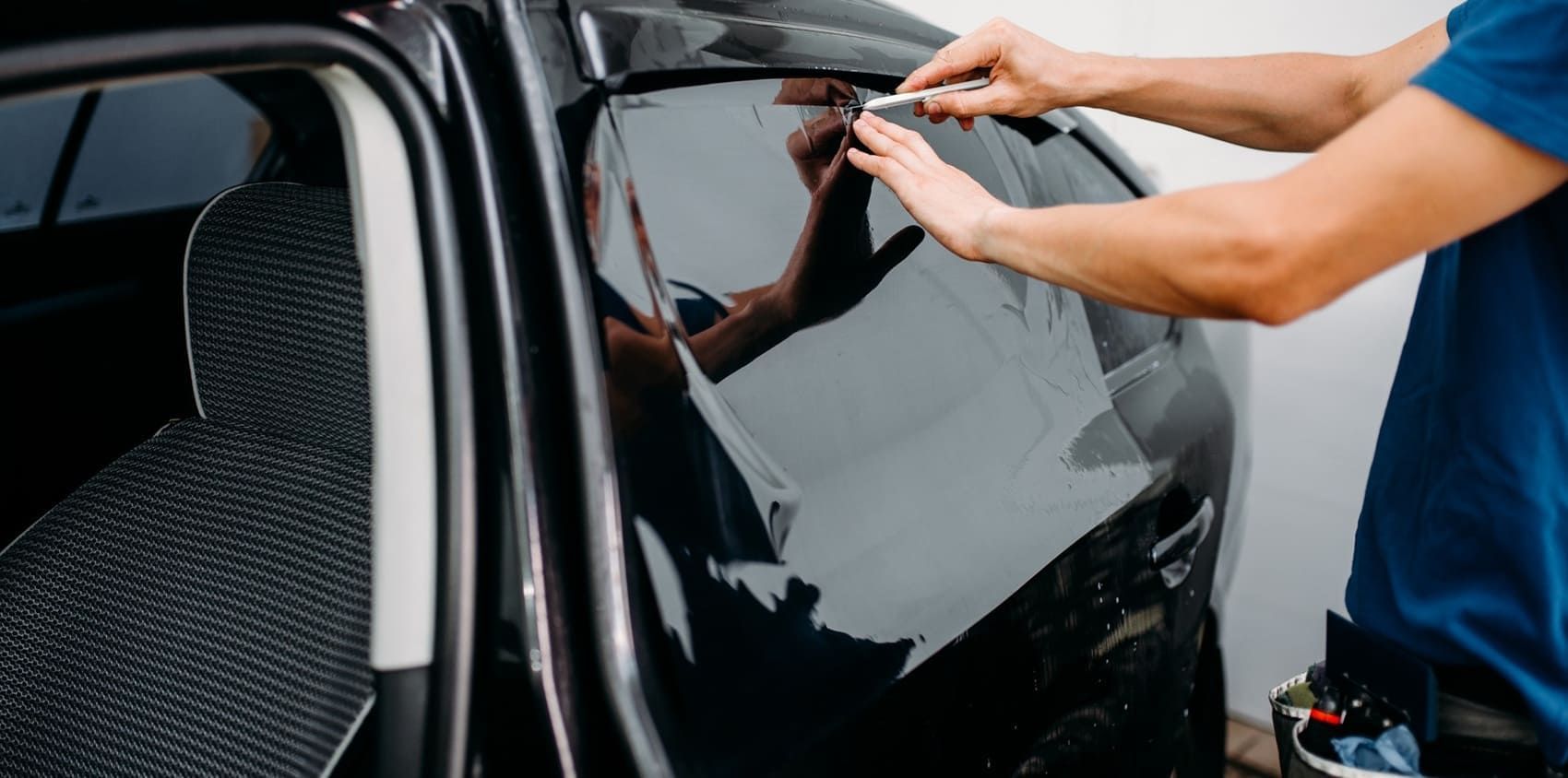
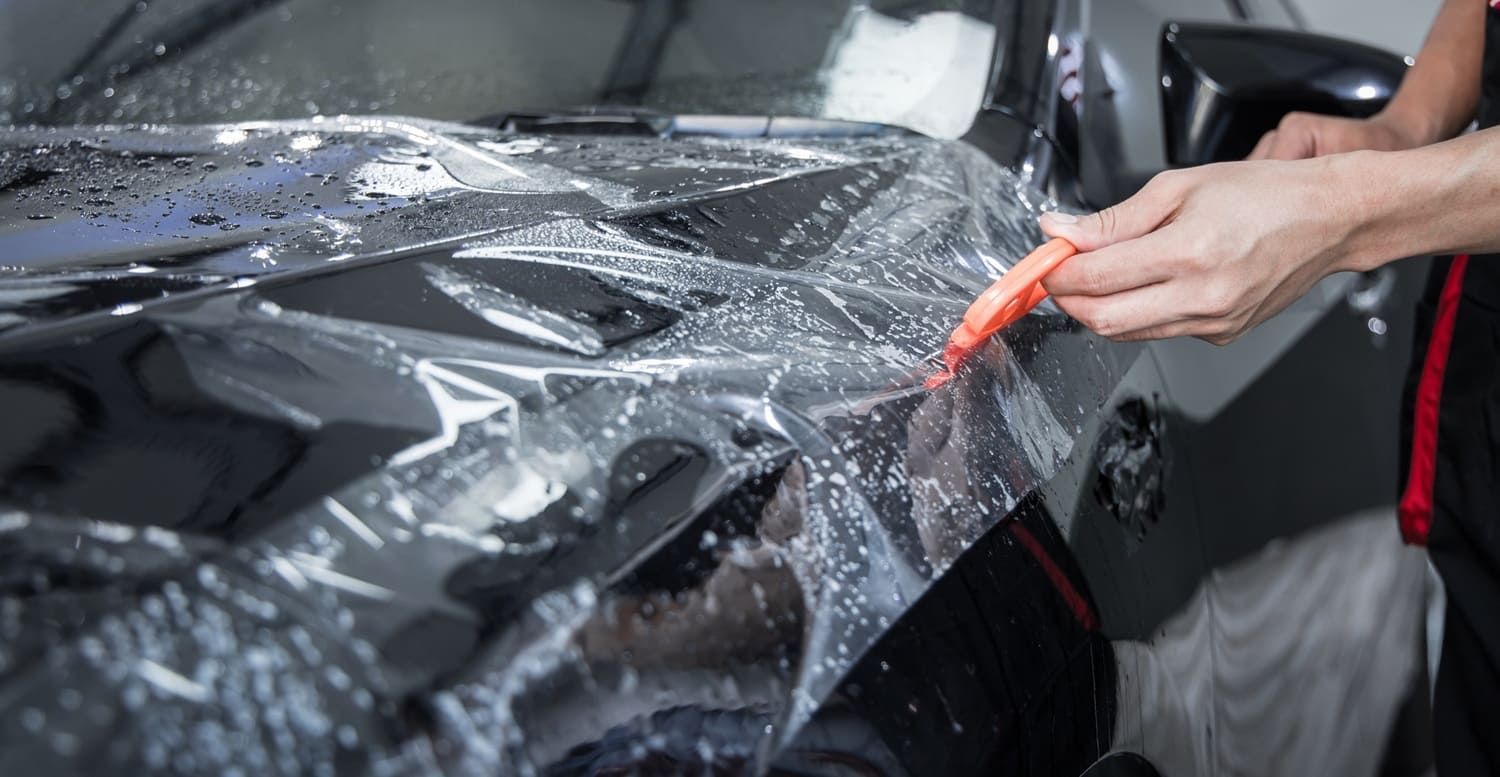
Why installation quality matters: Even the best film can disappoint if it is installed poorly. Edges that lift, contamination under the film, or gaps around defroster lines can create long term issues. A professional installation also accounts for antenna areas, defroster lines, and complex modern glass shapes. Sun Stoppers Window Tinting pairs professional workmanship with LLumar window tint products designed for performance, comfort, and compatibility.
FAQ for Fort Pierce and Treasure Coast drivers
Does ceramic tint block GPS signals?
High quality ceramic tint is non metallic and is not designed to reflect radio frequency signals, so it typically does not block GPS. If GPS seems weak, check antenna location, phone placement, and accessories first.
Does window tint affect phone signal strength?
Most modern non metallic films do not meaningfully affect cellular reception. Metallic films can in some vehicles, which is why ceramic is the safer choice if you are concerned about window tint phone signal interference.
Can window tint interfere with Bluetooth audio or hands free calling?
Bluetooth issues are almost always related to device pairing, software, or audio settings. Ceramic tint generally does not interfere with Bluetooth connectivity inside the cabin.
Will tint reduce keyless entry or push button start range?
Ceramic tint typically does not. If you notice reduced range, replace the key fob battery and check for other sources of radio interference. Metallic tint can reduce range in some antenna configurations.
Does tint affect satellite radio?
If your antenna is outside the vehicle, tint is irrelevant. If the antenna is under glass, metallic films can sometimes weaken reception. Ceramic films are designed to avoid that issue.
Is metallic tint always bad?
Not always, but metallic films have a higher risk of interacting with radio signals. If your vehicle has antennas in the glass or you use smart keys, ceramic is the better fit.
What is the best tint type for technology heavy vehicles?
Ceramic tint is generally the best option because it is non metallic, offers strong heat rejection, and maintains optical clarity. It is a strong match for EVs and ADAS equipped vehicles.
Can EV sensors be impacted by window tint?
Most EV sensors do not rely on side or rear windows. Cameras look through the windshield and radar is usually behind bumpers. Proper film choice and professional installation help ensure no visibility or optical issues near camera areas.
Does tint impact lane keep assist or adaptive cruise control?
Those systems typically use windshield cameras and radar modules, not side window glass. Side and rear tint does not affect them. Any windshield related film should be handled carefully and legally.
Can tint cause windshield camera calibration problems?
Tint on side and rear windows does not. If a film is applied near windshield camera zones, improper coverage or contamination could cause issues. This is another reason to use a professional shop.
Does tint affect toll transponders?
Most toll transponders communicate using radio frequencies that can be reduced by some metallic coatings on windshields. Side window tint is not usually the cause. If your windshield has a special coating, ask about best placement for the transponder.
What percentage tint is legal in Florida?
Florida law sets VLT limits by window location and vehicle type. The correct legal level for you depends on your vehicle and which glass you are tinting. Sun Stoppers Window Tinting can help you choose a legal option for Fort Pierce FL window tint needs.
Will tint make my EV more efficient?
By reducing cabin heat load, tint can reduce air conditioning demand. That can support comfort and may help preserve driving range in hot conditions, especially when paired with high performance ceramic film.
How do I choose a tint that is safe for modern electronics?
Choose a premium non metallic ceramic film from a reputable manufacturer, and have it installed by experienced professionals. Ask specifically for films designed for signal compatibility, heat rejection, and optical clarity, such as LLumar window tint installed by Sun Stoppers Window Tinting.
What is the best next step if I am still worried about interference?
Talk with a local expert and describe your vehicle and your concerns. A professional can recommend a ceramic film, explain where antennas and sensors are located, and install the tint in a way that prioritizes compatibility and legal compliance.
Conclusion
For most drivers, the worry that window tint will interfere with GPS, phones, Bluetooth, keyless entry, satellite radio, or EV sensors comes from older experiences with metallic films. Modern ceramic tint is non metallic, engineered for high infrared heat rejection, strong UV protection, and excellent clarity, without acting like a signal blocking layer. If you want the comfort benefits of tint without risking the technology you rely on, choose a high quality product and a professional install.
If you are shopping for
Fort Pierce FL window tint and want a solution designed for performance and compatibility,
contact
Sun Stoppers Window Tinting for a
free estimate. We install
LLumar window tint products built to handle Florida sun while staying fully compatible with today’s technology-equipped vehicles.