
How Long Does Ceramic Tint Last in Florida Sun and Salt? A Guide for Treasure Coast Drivers
High-quality ceramic window tint can last 10 to 15 years in Florida, and sometimes longer, when professionally installed and properly maintained. However, constant UV exposure, extreme heat, coastal humidity, and improper cleaning can shorten the lifespan of lower-quality films.
For drivers in Fort Pierce, Port St. Lucie, Vero Beach, Stuart, and surrounding Treasure Coast communities, choosing durable automotive window tint is particularly important. Florida's year-round sunshine, humid conditions, and coastal environment create demanding conditions for vehicle interiors and window films.
At Sun Stoppers Window Tinting in Fort Pierce, FL, we've helped local drivers protect their vehicles since 1987. As an authorized LLumar dealer, we specialize in premium ceramic automotive window tint designed to reduce heat, block harmful UV rays, and maintain its appearance for years.
But how does Florida's salt air affect ceramic tint? Does ceramic film eventually fade or bubble? And what can you do to make your investment last longer?
This guide explains ceramic tint durability, environmental risks, maintenance recommendations, warning signs of film deterioration, and why professional installation matters in Florida's coastal climate.

How Many Years Does Ceramic Window Tint Typically Last in Florida?
Premium ceramic window tint generally offers better long-term durability than traditional dyed films because its advanced construction is designed to resist discoloration and degradation.
In Florida, a reasonable planning estimate for professionally installed premium ceramic film is approximately 10 to 15 years, although this is not a guaranteed replacement interval.
Actual longevity depends on the film's construction, adhesive quality, installation conditions, vehicle usage, and maintenance.
Ceramic Tint Lifespan Compared With Other Window Films
| Window tint type | Approximate lifespan | Florida heat resistance | Fade resistance |
|---|---|---|---|
| Standard dyed tint | 3–5 years | Basic | Lower |
| Carbon window tint | 5–10 years | Moderate to good | Good |
| Ceramic window tint | 10–15 years | Excellent | Excellent |
| Premium nano-ceramic tint | 10–15+ years | Excellent | Excellent |
These ranges are general estimates, not manufacturer guarantees. Some films may fail earlier, while others remain serviceable much longer.
Why Does Ceramic Tint Last Longer?
Ceramic window films contain non-metallic ceramic particles engineered to manage solar energy while maintaining optical clarity.
Unlike traditional dyed films that depend heavily on colorants, premium ceramic films are designed to maintain more stable performance and appearance over time.
Their advantages include:
- Greater resistance to fading and discoloration.
- Effective solar heat management.
- Strong ultraviolet protection.
- Reduced glare during daytime driving.
- Non-metallic construction that avoids typical metal-film signal interference.
For Florida drivers who plan to keep their vehicles for several years, ceramic tint can offer better long-term value despite its higher initial cost.
How Does Florida's Intense Sun Affect Ceramic Tint?
Florida receives substantial sunlight throughout the year, exposing automotive window film to repeated heating and cooling cycles.
Vehicles parked outdoors in Fort Pierce or Port St. Lucie may experience significant temperature differences between the cabin, glass, and surrounding air.
Over time, these conditions can challenge lower-quality films and adhesives.
Can UV Rays Cause Ceramic Tint to Fade?
Premium ceramic films are engineered for excellent color stability, making them less susceptible to noticeable fading than many traditional dyed products.
However, no automotive film should be described as completely immune to aging.
Extended UV exposure can contribute to deterioration in film components, particularly when manufacturing quality or installation standards are inadequate.
High-quality LLumar ceramic films are designed to provide long-lasting UV protection while helping preserve vehicle interiors.
Can Florida Heat Make Window Tint Bubble?
Yes, excessive heat can expose weaknesses in aging adhesives or improperly installed film.
Bubbling may occur when adhesive bonds deteriorate, contamination becomes trapped, or the film begins separating from the glass.
Heat alone does not mean professionally installed ceramic tint will inevitably bubble.
Premium materials, correct surface preparation, and proper curing significantly reduce the likelihood of premature failure.
Does Salt Air Damage Ceramic Window Tint in Coastal Florida?
Salt air is a common concern for drivers living near the Atlantic Ocean, particularly around Fort Pierce, Hutchinson Island, Jensen Beach, and other Treasure Coast communities.
The important distinction is that salt air generally affects exposed vehicle surfaces more directly than ceramic window film installed on the interior side of automotive glass.
Most automotive tint is applied inside the vehicle, where it is not directly exposed to ocean spray.
Can Ocean Salt Cause Ceramic Tint to Peel?
Salt air alone is not typically a primary cause of ceramic tint peeling.
However, coastal conditions can contribute indirectly to maintenance challenges.
Salt residue accumulating on exterior glass can increase the need for cleaning. Moisture entering through compromised seals, repeated abrasion, or existing adhesive problems may also contribute to deterioration.
The more common causes of peeling include:
- Poor adhesive quality.
- Inadequate glass preparation.
- Improper installation.
- Physical damage near film edges.
- Aging adhesive layers.
- Cleaning before the film has properly cured.
For drivers who frequently park near the ocean, protecting the tint's edges and following appropriate cleaning practices are more important than worrying about salt particles directly attacking interior film.
Does Coastal Humidity Shorten Ceramic Tint Lifespan?
Humidity can influence installation and curing conditions, but properly installed automotive ceramic film is designed to withstand normal environmental changes.
During installation, moisture must gradually evaporate from beneath the film.
Florida's humid climate may extend the time required for complete curing, particularly during periods of frequent rain or limited sunshine.
This is why installers provide specific aftercare instructions rather than promising identical curing times for every vehicle.
What Are the Signs That Ceramic Tint Needs Replacing?
Even premium automotive window tint should be inspected periodically, especially after years of Florida sun exposure.
The most obvious signs of deterioration involve changes in appearance, adhesion, and visibility.
1. Bubbling or Blistering
Persistent bubbles appearing months or years after installation may indicate adhesive failure.
Unlike temporary moisture pockets during initial curing, deteriorating adhesive generally does not correct itself.
2. Peeling Around Window Edges
Lifting film edges may develop from mechanical wear, improper installation, or aging adhesives.
Windows that move frequently can be especially vulnerable when the film was not properly fitted or cured.
3. Purple or Uneven Discoloration
Purple tint is commonly associated with degradation of certain dyed films.
Premium ceramic films are designed for stronger color stability, although significant discoloration should still prompt an inspection.
4. Hazy or Distorted Visibility
Persistent cloudiness, optical distortion, or unusual glare may indicate film deterioration, contamination, or damage.
Any condition that interferes with safe visibility should be evaluated promptly.
5. Scratches That Affect Visibility
Repeated contact with abrasive cleaning tools, dirty window seals, or sharp objects can damage the film's surface.
If scratches significantly affect visibility, replacing the damaged section may be necessary.

LLumar Ceramic Tint vs. Traditional Tint: Which Lasts Longer in Florida?
Sun Stoppers Window Tinting exclusively installs LLumar products, including ceramic automotive window films designed for demanding driving conditions.
LLumar CTX is one option for drivers seeking dependable heat rejection, UV protection, and long-term appearance.
The LLumar CTX series uses nano-ceramic technology and, depending on the selected shade, offers up to 58% total solar energy rejection and more than 99% UV protection.
Why Film Quality Matters More Than Darkness
A common misconception is that darker tint automatically provides better heat rejection and greater durability.
In reality, visible light transmission and solar energy rejection measure different characteristics.
A lighter ceramic film can outperform a darker conventional film in heat control, depending on the products being compared.
When choosing tint, consider:
- Total Solar Energy Rejection (TSER).
- Infrared rejection specifications.
- UV protection.
- Visible Light Transmission (VLT).
- Color stability.
- Manufacturer warranty coverage.
Professional installers can help explain these measurements and recommend products suited to Florida driving conditions.
How Can You Make Ceramic Tint Last Longer in Florida?
Proper maintenance is one of the simplest ways to protect your ceramic window tint investment.
Although premium films are designed for durability, cleaning habits and everyday vehicle care can influence how well they maintain their appearance.
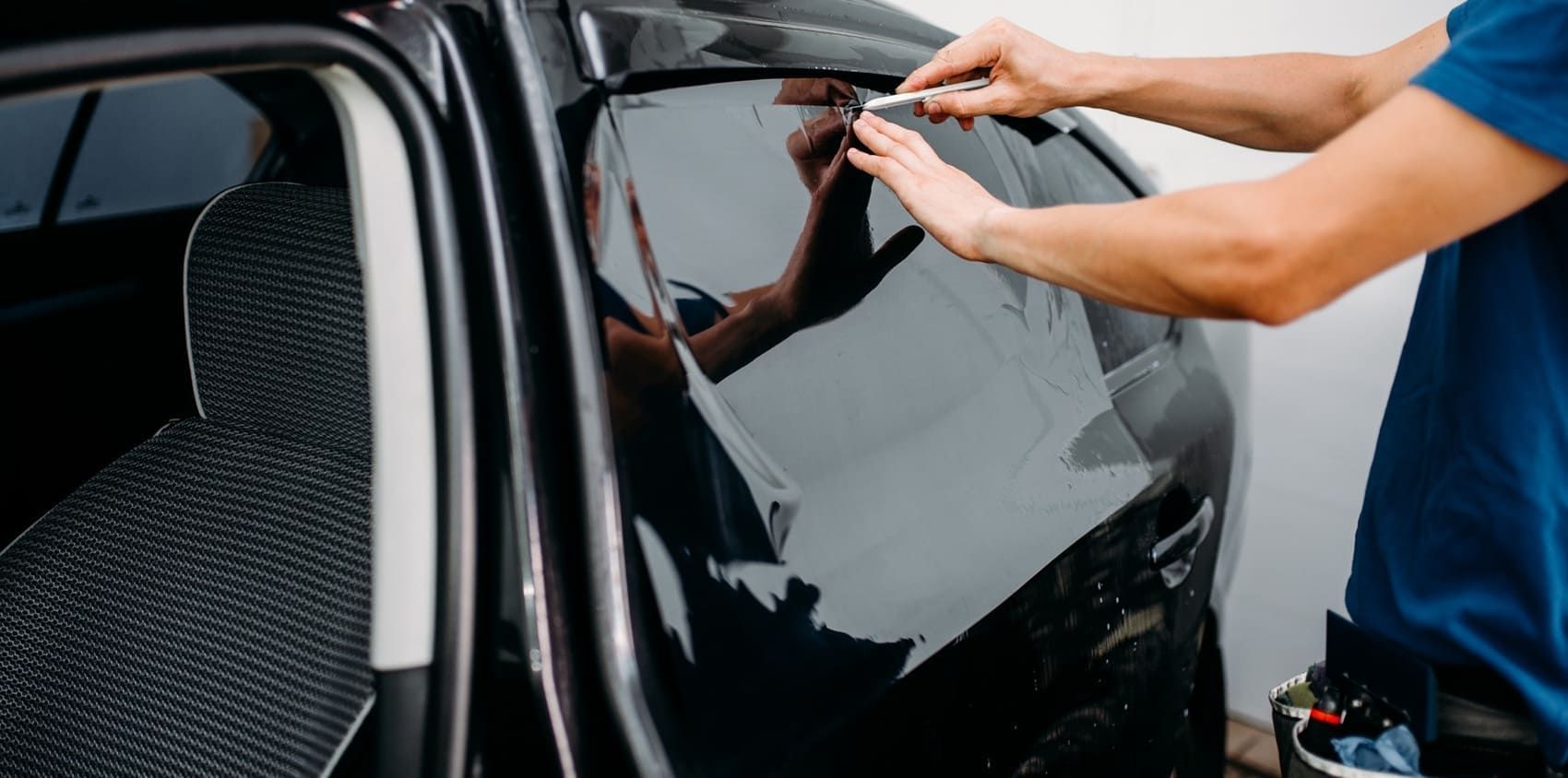
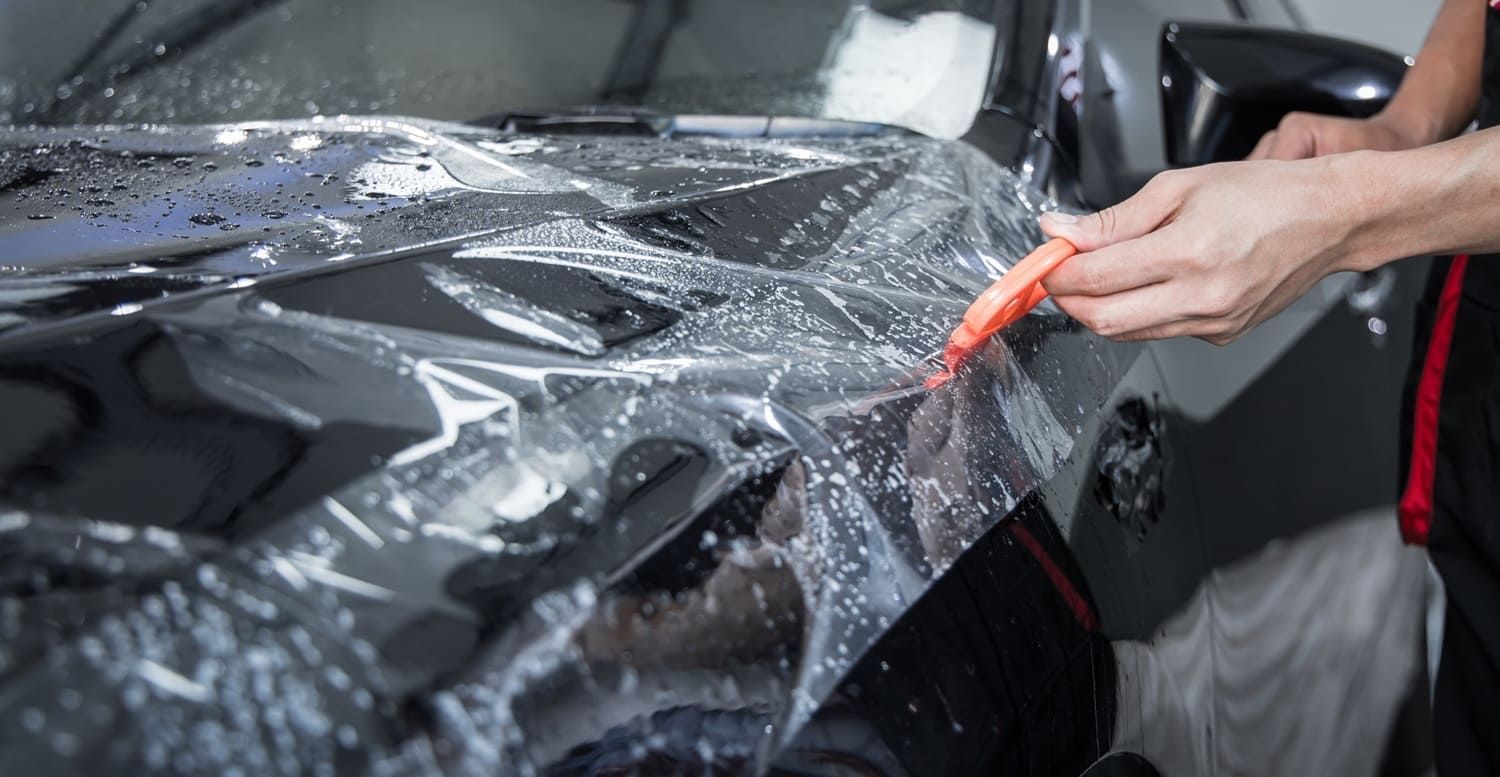
Step 1: Allow the Film to Cure Completely
After installation, moisture remains between the film and glass while the adhesive settles.
During this period, avoid rolling down freshly tinted windows until your installer confirms it is safe.
Temporary haziness or small moisture pockets may appear during curing. These typically disappear as the film dries.
Florida's humidity can extend the curing process, so always follow the specific instructions provided by your installer.
Step 2: Use Tint-Safe Cleaning Products
Once the film has cured, clean tinted windows using a soft microfiber cloth and a manufacturer-approved, ammonia-free glass cleaner.
Avoid abrasive pads, sharp scrapers, and aggressive chemicals that could scratch or damage the film.
For coastal drivers, regularly cleaning salt residue from exterior glass also helps maintain clear visibility.
Step 3: Avoid Damaging Film Edges
Film edges are particularly vulnerable to accidental lifting or scratching.
Do not pick at corners, use sharp objects near the film, or apply excessive pressure during cleaning.
If an edge begins lifting, contact a professional rather than attempting to reattach it with household adhesives.
Step 4: Reduce Unnecessary Heat Exposure
Ceramic tint is designed for sunny conditions, so ordinary Florida heat should not require special precautions.
However, parking in shade or using covered parking when convenient can help reduce overall interior heat exposure and protect other vehicle components.
Step 5: Schedule an Inspection When Problems Appear
If you notice bubbling, peeling, discoloration, or persistent cloudiness, have the film inspected.
Early evaluation helps determine whether the issue involves normal curing, physical damage, or a potential warranty concern.
Is Ceramic Tint Worth the Investment for Florida Drivers?
For many Treasure Coast vehicle owners, ceramic window tint provides benefits that extend beyond appearance.
Florida drivers regularly encounter intense sunlight, high cabin temperatures, and prolonged UV exposure.
Premium ceramic tint helps manage these conditions while offering better long-term color stability than many entry-level films.
Ceramic Tint Benefits for Daily Commuters
Drivers traveling along US Highway 1, I-95, and Florida's Turnpike may appreciate several advantages:
- Reduced solar heat entering the vehicle.
- Greater comfort during summer commutes.
- Less glare from direct sunlight.
- UV protection for occupants and interior materials.
- Improved privacy with appropriate film shades.
- Long-lasting appearance when properly maintained.
For drivers who plan to keep their vehicles for five years or longer, choosing a durable film can also reduce the likelihood of paying for premature removal and replacement.
However, ceramic tint does not eliminate all heat or replace the need for air conditioning.
Its effectiveness depends on film specifications, glass coverage, vehicle design, and environmental conditions.
Why Choose Sun Stoppers Window Tinting in Fort Pierce, FL?
When investing in ceramic tint, professional installation is just as important as the film itself.
Sun Stoppers Window Tinting is a family-owned and operated business that has served Fort Pierce and surrounding Treasure Coast communities since 1987.
As an authorized LLumar dealer, our team focuses on premium window film products, careful preparation, precise installation, and informed recommendations.
We help drivers select automotive tint based on their vehicle, budget, desired appearance, and heat-rejection needs.
Our LLumar ceramic window films include products with limited lifetime manufacturer warranties, subject to the applicable terms and conditions.
We proudly serve customers throughout Fort Pierce, Port St. Lucie, Vero Beach, Jensen Beach, Stuart, Palm City, and nearby communities.
Frequently Asked Questions About Ceramic Tint in Florida
Can Ceramic Tint Last 15 Years in Florida?
Yes. Premium ceramic tint may remain in good condition for 15 years or longer, although this depends on product quality, installation, maintenance, and exposure. A lifetime warranty does not guarantee a specific service life.
Does Saltwater Air Ruin Ceramic Window Tint?
Generally, no. Automotive ceramic tint is typically installed inside the glass, away from direct salt spray. Coastal conditions can create additional cleaning needs, but salt air is not usually the main cause of film deterioration.
Does Ceramic Tint Eventually Fade?
Ceramic tint is designed for excellent color stability and generally resists fading better than conventional dyed film. Nevertheless, film components can age, and no product is completely immune to deterioration.
Why Is My Ceramic Tint Bubbling After Several Years?
Bubbling can indicate adhesive deterioration, contamination, or installation-related problems. Persistent bubbles developing years after installation should be inspected by a professional.
Is LLumar Ceramic Tint Covered by a Lifetime Warranty?
Qualifying LLumar ceramic automotive films carry limited lifetime manufacturer warranties. Coverage depends on the specific product, installation documentation, warranty conditions, and nature of the defect.
Can I Wash My Car After Getting Ceramic Tint?
Yes, but follow your installer's curing instructions before cleaning the interior tinted surfaces. After curing, use a soft microfiber cloth and tint-safe cleaning products.
Is Ceramic Tint Better Than Carbon Tint for Florida Heat?
Premium ceramic films generally offer stronger heat rejection than many carbon films, although actual performance depends on the products compared. Ceramic is often preferred by drivers prioritizing maximum comfort and long-term performance.
Where Can I Get Professional Ceramic Tint in Fort Pierce, FL?
Sun Stoppers Window Tinting provides LLumar ceramic automotive tint installation at 4807 S US Hwy 1, Fort Pierce, FL 34982. Customers can call (772) 468-3009 to discuss available products and request an estimate.
Protect Your Vehicle With Long-Lasting Ceramic Tint in Fort Pierce
Florida sunshine, coastal humidity, and everyday driving conditions make durable automotive window film a worthwhile consideration.
High-quality ceramic tint can provide approximately 10 to 15 years of reliable service, with some installations lasting longer when professionally applied and properly maintained.
The key is choosing proven materials, understanding product performance, and following appropriate aftercare recommendations.
At Sun Stoppers Window Tinting, we've helped Treasure Coast drivers stay comfortable and protect their vehicles since 1987.
Whether you're upgrading faded window tint or considering ceramic film for a new vehicle, our team can help you explore LLumar options designed for Florida's climate.
Visit Sun Stoppers Window Tinting at 4807 S US Hwy 1, Fort Pierce, FL 34982, or call (772) 468-3009 to request your free estimate.
Learn more about our
automotive window tinting services at https://www.sunstopperstint.com/.