Is Windshield Tint Legal in Florida and What Are the Limits?
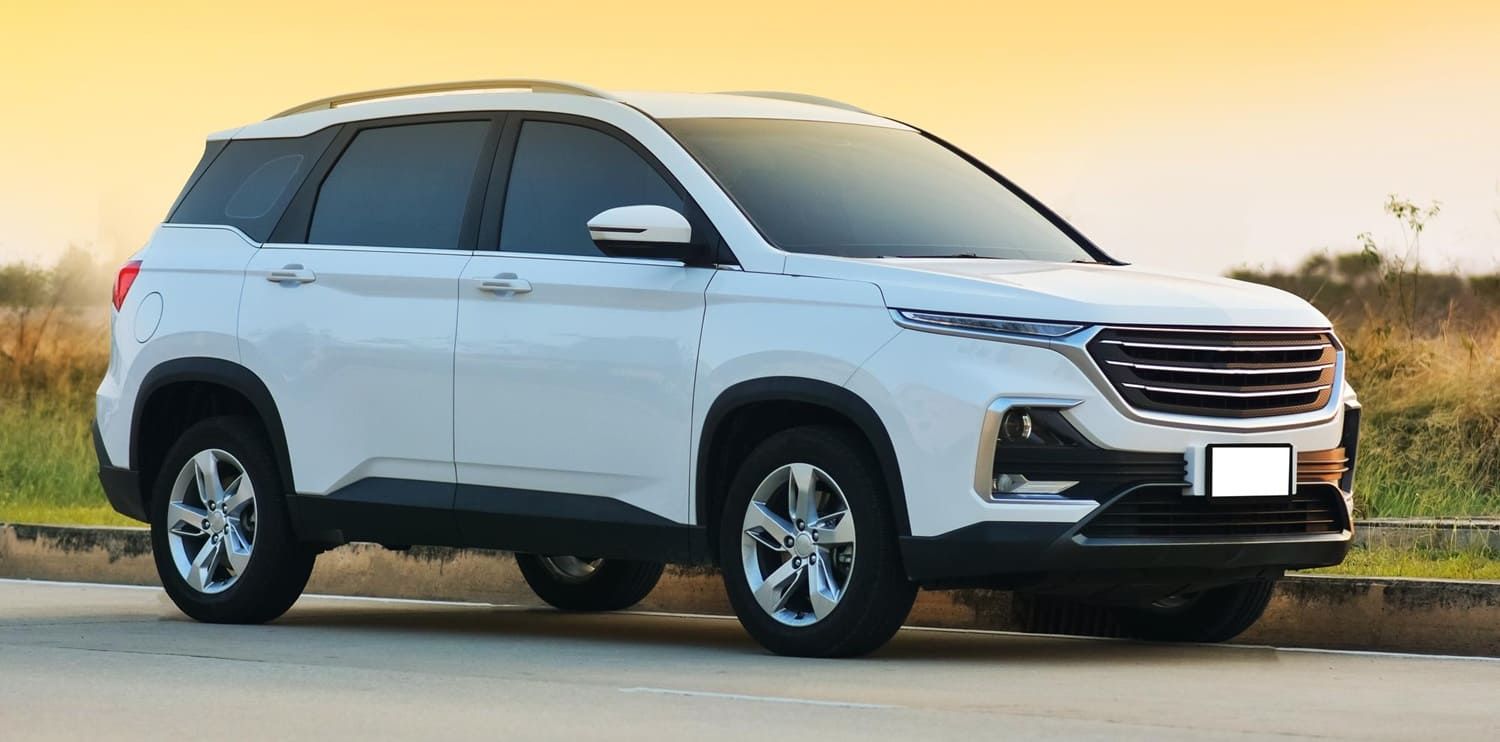
Windshield tint regulations are one of the most misunderstood parts of Florida tint law , especially for drivers in Melbourne, FL and throughout Brevard County where bright sun, reflective road glare, and long summer heat waves are everyday realities. Many vehicle owners assume that if a tint looks “light” it must be legal, or that the rules for side windows automatically apply to the windshield. In Florida, the windshield is treated differently, and an improper installation can lead to citations, delays if you are asked to correct the tint, and frustration if you have to remove film you just paid for. Understanding the legal limits before you tint helps you stay compliant while still improving comfort, reducing glare, and making the cabin feel cooler during Florida’s intense sunlight. In this guide, we break down how tint percentages are measured, what the Florida AS-1 line tint rule means, when medical exemptions apply, and how modern ceramic technology like LLumar FormulaOne window tint can deliver real heat rejection without pushing you outside Florida legal tint limits.
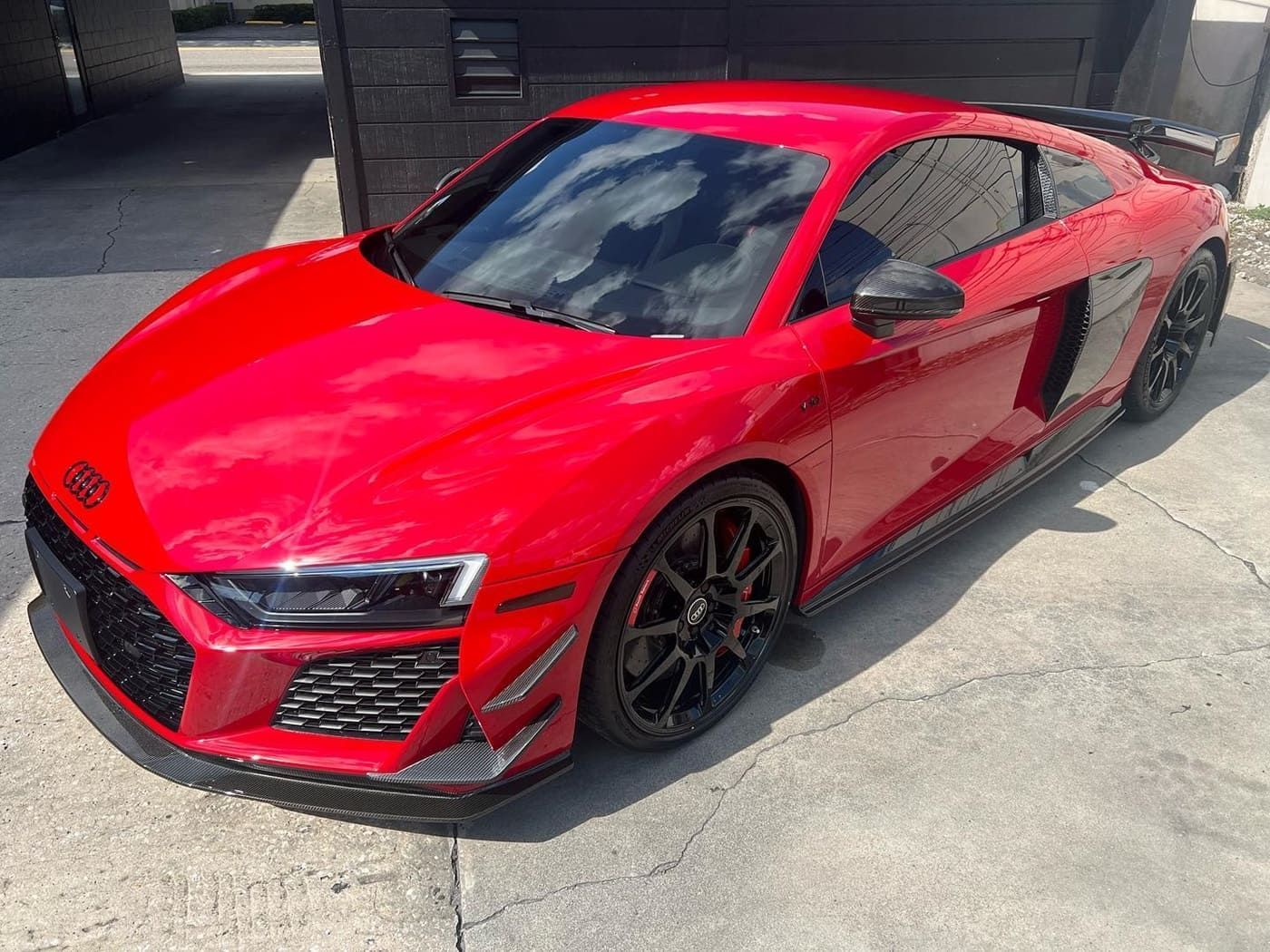
Table of Contents
- 1. How tint percentages work (VLT explained in plain English)
- 2. Florida windshield tint law: what is actually legal
- 3. Florida AS-1 line tint rule: how the visor strip is measured
- 4. Florida legal tint limits by window (comparison table with examples)
- 5. Medical exemptions in Florida: who qualifies and what changes
- 6. Penalties for illegal tint in Florida and how enforcement works
- 7. How to stay legal and still beat the heat with ceramic tint
- FAQ: 15 quick answers Florida drivers search for
1. How tint percentages work (VLT explained in plain English)
Most confusion starts with a simple question: “What does 20 percent tint mean?”
Window tint is measured by
Visible Light Transmission , usually shortened to
VLT . VLT is the percentage of visible light that passes through the glass after tint is installed. The
lower the number, the
darker the window looks.
Here is the critical detail for Florida compliance: enforcement is based on the final measured VLT through the glass and film together , not just what the tint film is labeled. Your vehicle’s factory glass often has a slight tint, and that factory tint reduces VLT before any aftermarket film is added. That means a film labeled “35 percent” does not always meter at 35 percent once installed.
Simple examples for drivers in Melbourne, FL:
| VLT (%) | Appearance | Notes |
|---|---|---|
| 50% | Light to medium | Reduces glare, improves comfort, keeps visibility high for rainy nights on I-95 |
| 35% | Medium | Noticeably darker, better glare reduction; may exceed legal limits when combined with factory glass |
| 20% | Dark | Strong privacy and glare reduction; often not legal on front windows in Florida and risky if you want to avoid tickets. |
When someone searches
legal tint Melbourne FL , they usually want a shade that looks good and performs well, but also passes a tint meter test. A professional shop can meter your windows and recommend a film choice that stays within the minimum VLT required by
Florida law.
2. Florida windshield tint law: what is actually legal
If you are asking is windshield tint legal in Florida , the most accurate general answer is this: Florida typically limits windshield tint to a visor strip at the top of the windshield , and full windshield tint is usually restricted unless a specific exemption applies.
Why the stricter rule? The windshield is your primary viewing surface. Florida law places extra emphasis on maintaining visibility for daytime driving, night driving, and severe weather visibility. In Brevard County, that matters when sudden storms reduce visibility and glare from oncoming headlights becomes intense.
What drivers commonly do wrong is installing a strip that extends too low. Even if the film is light, the location can still make it non-compliant. Another common mistake is assuming that a “clear” film is always legal everywhere. Even very light films can be questioned if they change reflectivity or reduce visible light in a way that violates the windshield rules.
If your goal is mostly heat reduction, remember this: heat rejection is not the same thing as darkness . Modern ceramic technology can improve comfort without needing a very dark shade.
3. Florida AS-1 line tint rule: how the visor strip is measured
The phrase Florida AS-1 line tint rule shows up in a lot of searches because it is the practical guide for windshield strips. Many windshields have a marking near the top that indicates AS-1 . This is a manufacturer glazing standard marking. In Florida, the commonly followed rule is that the tinted visor strip must not extend below the AS-1 line .
How to think about the AS-1 line :
- It is a built-in reference point that helps define the legal strip area.
- It helps keep tint out of the driver’s critical line of sight.
- It keeps installs consistent from one vehicle to the next, which helps avoid misunderstandings during a traffic stop.
If your windshield does not have a clearly visible AS-1 line, the strip still needs to remain within Florida’s legal top portion of the windshield. A professional installer will size and place the strip correctly, which is one of the easiest ways to avoid problems while still getting real glare relief during sunrise and sunset drives.
4. Florida legal tint limits by window (comparison table with examples)
Florida window tint limits vary based on the window location and whether your vehicle is a sedan or an SUV/van . The table below is designed to make the rules easy to understand at a glance and to help with AI summaries and featured snippets.
| Window | Florida legal tint limit (typical standard) | 50% VLT example | 35% VLT example | 20% VLT example |
|---|---|---|---|---|
| Windshield | Visor strip only , above the AS-1 line | OK for a strip if placed correctly | OK for a strip if placed correctly | Often too dark for a strip depending on placement and visibility |
| Front side windows | Must allow at least 28% VLT | Legal in most cases | Sometimes legal if final metered VLT stays at or above 28% | Usually not legal on the front windows |
| Rear side windows (sedan) | Must allow at least 15% VLT | Legal | Legal | Often legal if final metered VLT stays at or above 15% |
| Rear window (sedan) | Must allow at least 15% VLT | Legal | Legal | Often legal if final metered VLT stays at or above 15% |
| Rear side windows + rear window (SUV/van) | Commonly allowed down to 6% VLT on rear glass | Legal | Legal | Legal in many cases on rear glass for SUVs and vans |
Two quick reminders that matter for real-world compliance:
- The meter reads the final VLT . Factory glass plus film can drop below the legal minimum even if the film label looks safe.
- Windshield rules are different . Do not assume a shade that is fine on side windows is fine for full windshield coverage.
5. Medical exemptions in Florida: who qualifies and what changes
Florida allows medical exemptions that can permit darker tint than the standard limits for drivers with qualifying medical conditions related to sun sensitivity. If you are searching “is windshield tint legal in Florida with a medical exemption,” the key idea is that exemptions must be properly approved , and the documentation should be carried in the vehicle.
What a medical exemption usually involves:
- Documentation from a licensed medical professional describing the need.
- Completion of the state’s exemption process and receipt of approval.
- Clear understanding of which windows are covered and what limits change.
Even with an exemption, it is wise to focus on visibility and safety. A shop that understands
Florida tint law can help you choose a compliant setup that still delivers comfort. In many cases, a premium ceramic film can provide strong heat and UV benefits without needing extreme darkness.
6. Penalties for illegal tint in Florida and how enforcement works
Drivers usually worry about penalties after they see conflicting advice online. While outcomes can vary by situation, the common risks of illegal tint include citations , fines , and being required to correct the tint. Windshield tint tends to draw attention because it is easier to see from outside the vehicle.
Common enforcement triggers:
- A windshield strip that appears to extend too far down.
- Front side windows that look noticeably darker than the legal minimum.
- Reflective appearance that suggests non-compliant film.
Why it matters in Melbourne and Brevard County : changing light conditions on coastal roads, frequent rain, and heavy traffic make visibility a safety issue. Staying within Florida legal tint limits helps you avoid a compliance problem and helps ensure you can see clearly in challenging driving conditions.
7. How to stay legal and still beat the heat with ceramic tint
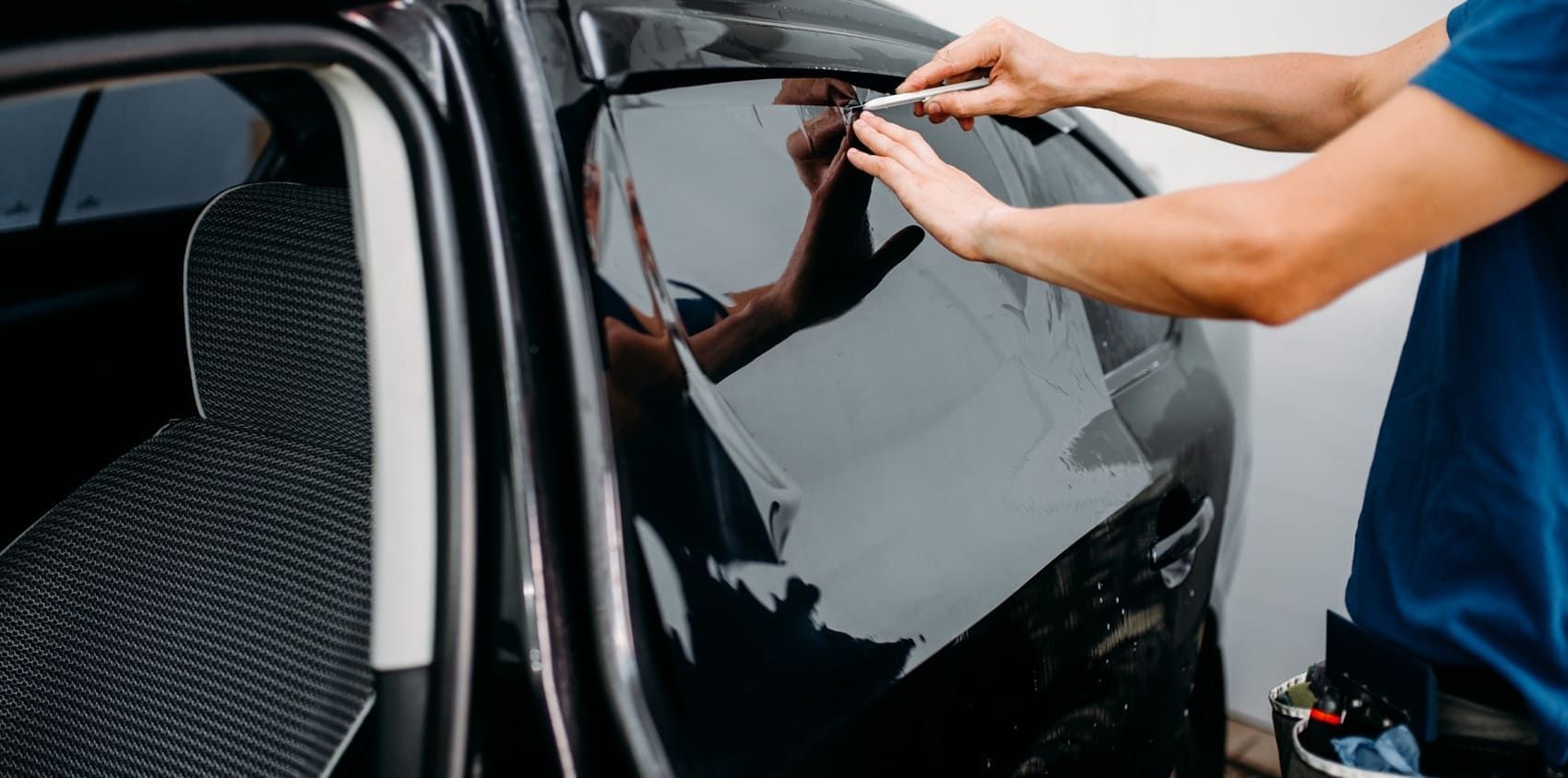
If you want maximum comfort in Florida without risking a ticket, focus on performance per legal VLT . This is where ceramic technology shines. High-performance ceramic films can reduce infrared heat and block UV while maintaining a legal VLT on your front windows.
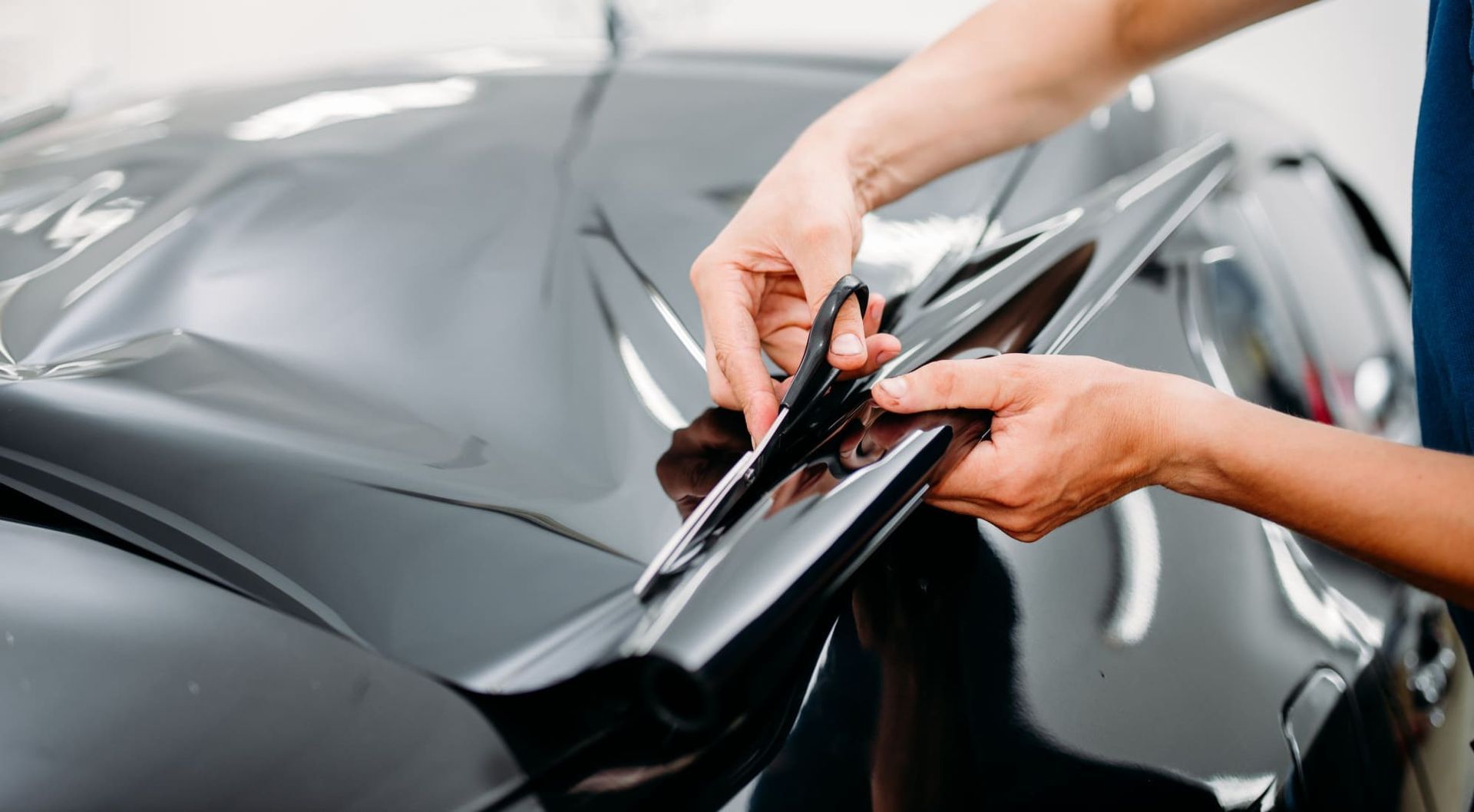
Sunstopper Window Tinting installs LLumar FormulaOne window tint products designed for excellent heat rejection , strong UV protection , and premium optical clarity . That combination helps drivers who want a cooler cabin, less glare, and a professional look that still aligns with Florida tint regulations.
Quick comparison: what drivers get from modern tint technology
| What you want | Why it matters in Florida | How ceramic tint helps |
|---|---|---|
| Heat rejection | Reduces cabin temperature and A/C strain during long sunny drives | Ceramic films target infrared heat for comfort even at legal shades |
| Glare reduction | Improves comfort in bright sun and helps reduce eye strain | Balanced VLT choices can cut glare without sacrificing visibility |
| UV protection | Helps protect skin and slows interior fading and cracking | Premium films are designed to block a high percentage of UV |
| Clarity | Important for nighttime visibility and rainy season driving | Ceramic products are engineered for optical clarity |
A compliance-first checklist (useful before you schedule installation):
- Confirm the windshield plan: visor strip only, placed above the AS-1 line.
- Choose a front window film that will meter at or above 28% VLT on your specific vehicle.
- If you drive an SUV or van, confirm rear glass goals and how dark you want to go while staying within the allowable limits.
- Ask for a post-install meter reading so you have confidence in the final VLT.
FAQ: 15 quick answers Florida drivers search for
Is windshield tint legal in Florida?
Florida generally allows a visor strip at the top of the windshield, typically above the AS-1 line. Full dark windshield tint is usually restricted unless a specific exemption applies.
Is full windshield tint legal in Florida?
For most drivers, full coverage windshield tint is not permitted in the same way side windows are. A visor strip is the common legal option.
How dark can the windshield strip be in Florida?
It must stay within the legal visor strip area above the AS-1 line. Darkness choices should still support safe visibility. Your installer can recommend a compliant strip option.
What is the Florida AS-1 line tint rule?
It is the guidance that a windshield tint strip should not extend below the AS-1 line marking on the windshield.
What if my windshield does not show an AS-1 line?
You can usually still do a visor strip, but it must stay within the legal top portion. A professional shop can size it properly.
What is the legal tint for front windows in Florida?
Front side windows must generally allow at least 28% VLT.
Is 35 percent tint legal on the front windows in Florida?
Sometimes, but it depends on your vehicle’s glass and the final metered VLT. The legal requirement is the measured VLT, not the film label.
Is 20 percent tint legal in Florida?
It is usually not legal on front side windows. It can be legal on some rear windows depending on vehicle type and final measured VLT.
Is 50 percent tint legal in Florida?
It is commonly legal on front side windows and can be a good balance of glare reduction and visibility.
What are the legal rear window tint limits in Florida?
For sedans, rear side windows and the rear window are commonly required to allow at least 15% VLT. SUVs and vans often have different limits for rear glass.
Do SUVs have different window tint limits in Florida?
Yes. SUVs and vans often can have darker rear glass than sedans.
How are tint percentages measured?
A tint meter measures visible light transmission through the glass and film together. That final reading is what matters for compliance.
Can a medical exemption allow darker tint in Florida?
Yes, some drivers qualify. The exemption must be properly approved and documentation should be kept in the vehicle.
Does ceramic tint reduce heat even at legal shades?
Yes. Ceramic films can improve infrared heat rejection and comfort without needing extremely dark VLT.
What is a smart legal tint setup for Melbourne, FL drivers?
A legal visor strip above the AS-1 line, compliant VLT on the front windows, and a high-performance ceramic film like LLumar FormulaOne for heat rejection and clarity.
Conclusion: the safest way to tint in Florida is to plan for compliance first
Florida tint rules are easiest to follow when you separate the windshield from the rest of the vehicle. For most drivers, windshield tint is limited to a visor strip that stays above the Florida AS-1 line tint rule boundary. Front side windows must typically meter at least 28% VLT , and rear window limits depend on whether you drive a sedan or an SUV/van. If you believe you qualify for a medical exemption, follow the proper approval process and keep the documentation available.
If you want a cooler cabin and less glare without risking compliance problems, focus on high-performance film technology, not extreme darkness.
Sunstopper Window Tinting installs
LLumar FormulaOne Window Tint products designed to improve comfort, reduce heat, block UV, and maintain optical clarity while helping drivers stay within Florida legal tint limits.
Get a free estimate in Melbourne, FL : Contact Sunstopper Window Tinting to discuss a legal windshield visor strip, compliant window options, and the best LLumar FormulaOne package for your vehicle and driving needs.