Why Choose Ceramic Tint Over Standard Window Film?
Why choose ceramic tint over standard window film? In Fort Pierce and across Florida’s Treasure Coast, that question matters more than most people realize. Drivers in Port St. Lucie, Stuart, Vero Beach, Jensen Beach, Palm City, Hobe Sound, and Sebastian face intense sun, high UV exposure, and heat that can feel relentless almost year-round. Choosing between ceramic window tint and standard film is one of the most important decisions a Florida car owner, homeowner, or business owner can make for comfort, interior protection, and long-term value. Many people assume window tint is window tint, then get surprised by how dramatically ceramic and standard dyed films differ in real heat rejection, infrared blocking, longevity, and color stability in Florida’s demanding climate. Understanding what separates ceramic film from standard window film is the key to making a confident, informed tinting decision. Ceramic tint consistently outperforms standard dyed film across every meaningful performance category for Florida drivers and property owners, but the right choice still depends on budget, your vehicle or building, and how much protection you want.
Table of Contents
- What Is Standard Dyed Window Film and How Does It Work?
- What Is Ceramic Window Tint and What Makes It Different?
- Ceramic Tint vs Standard Film: Performance Differences in Florida
- Why Florida’s Climate Favors Ceramic Tint Long Term
- Ceramic Tint for Homes and Businesses on the Treasure Coast
- LLumar Ceramic Window Tint Options at Sun Stoppers
- How to Choose Ceramic vs Standard Tint in Fort Pierce
- FAQ
What Is Standard Dyed Window Film and How Does It Work?
Direct answer: Standard dyed window film is a basic tint film that uses dye to darken the glass, reduce glare, and improve privacy. It is often the entry-level option people think of when they search “window tinting near me Fort Pierce.”
How dyed tint reduces light and glare
Dyed films work primarily by absorbing visible light. When you choose a darker shade, less light passes through the glass, so the cabin or interior space feels less bright. That is why dyed film can help with glare, especially when you drive west in the late afternoon around Fort Pierce, Jensen Beach, or Palm City.
Where standard film can fall short in Florida
Florida’s heat is not only about visible sunlight. A large portion of the discomfort you feel is driven by infrared energy. Many standard dyed films are not engineered for high infrared rejection, so you may still feel that “sunburn” sensation on your arm even if the windows look darker. In high humidity and strong UV exposure, some lower-quality dyed films can also lose color stability over time, which is why shoppers often ask if a film will fade or change appearance after years on Treasure Coast roads.
When standard dyed film can still make sense
Standard dyed film can be a reasonable choice when budget is the top priority and the goal is mainly to reduce glare and add privacy. For some vehicles that are parked indoors most of the time or driven less frequently, the upgrade to ceramic may not feel as urgent. The key is understanding what you are giving up in heat performance and long-term durability.
What Is Ceramic Window Tint and What Makes It Different?
Direct answer: Ceramic window tint uses advanced, non-metal, ceramic-based technology designed to reject more heat, block more infrared energy, and maintain color stability better than standard dyed film. It is a top choice for people searching “ceramic window tint Fort Pierce FL” because the comfort improvement can be immediate.
Ceramic tint is engineered for heat and infrared rejection
Ceramic films are built to do more than darken glass. They are designed to reduce the amount of solar energy entering through the window. For Florida drivers, that means the cabin can feel less harsh in direct sun, and your air conditioning may feel like it catches up faster after the vehicle has been parked outside.
Ceramic tint can deliver premium performance at legal-friendly shades
One of the biggest “aha” moments for Treasure Coast customers is learning that a lighter ceramic film can feel cooler than a darker standard film. That is because tint shade (visible light transmission) and heat rejection are not the same thing. For many people, ceramic is the path to high heat performance without choosing the darkest look.
Why ceramic tint typically costs more
The premium price comes from the materials, the performance engineering, and the long-term expectations. Ceramic film is built to perform in difficult conditions, and Florida is one of the most demanding environments in the country. If you have ever wondered “ceramic vs standard window tint Florida,” this is the core difference: ceramic film is designed to solve heat and infrared discomfort at a higher level, not just provide a darker appearance.
Ceramic Tint vs Standard Film: The Performance Differences That Matter Most in Florida
Quick summary: The real difference is not just how the tint looks. The difference is what the film does for heat, UV, infrared, longevity, and day-to-day comfort in Fort Pierce, Port St. Lucie, and the broader Treasure Coast.
Comparison table: dyed vs carbon vs LLumar ceramic
This table is designed for quick scanning, featured snippets, and AI-generated summaries. It focuses on what most Florida shoppers care about when researching the best window tint for Florida heat Fort Pierce .
| Film type | Heat rejection in Florida | UV protection | Infrared (IR) rejection | Color stability in FL sun | Signal interference risk | Expected lifespan in FL | Approx. price and long-term value |
|---|---|---|---|---|---|---|---|
| Standard dyed window film | Basic comfort improvement, depends on shade | Varies by product, many quality films offer strong UV filtering | Often limited compared with premium films | Can be more prone to color shift in harsh conditions | Typically low when non-metal, confirm film type | Often shorter in extreme sun exposure | Lowest upfront cost, value depends on expectations |
| Carbon window film | Improved comfort versus dyed, good for daily drivers | Strong UV filtering is common in reputable lines | Better than basic dyed in many cases | Generally better fade resistance than dyed | Typically low when non-metal, confirm film type | Often longer than dyed in Florida heat | Mid-range pricing, strong value for many budgets |
| LLumar ceramic window film | Premium heat comfort for year-round Florida sun | Typically marketed as up to 99% UV protection | High IR rejection designed for heat relief | Excellent stability for FL sun and humidity | Low risk due to non-metal ceramic technology | Designed for long-term durability | Highest upfront cost, best long-term comfort value |
What these differences feel like day to day
Heat comfort: The moment you sit in the car, premium ceramic films often feel less “hot spot” on your skin. That matters for families, commuters, and anyone who drives between Fort Pierce, Stuart, and Vero Beach during peak sun hours.
Interior protection: UV exposure is a major factor in fading dashboards, cracking interior materials, and wearing down fabrics over time. A strong UV-blocking film is a practical way to protect vehicle interiors and also protect residential furnishings near windows.
Appearance over time: In Florida, heat and humidity accelerate wear. Choosing a film known for stability can reduce the chances of unwanted changes in shade or appearance years later.
Why Florida’s Climate Makes Ceramic Tint the Smarter Long-Term Investment
Direct answer: Florida’s sun intensity, year-round heat, and humidity can punish lower-performing films. Ceramic films are designed for high performance in exactly these conditions, which is why many Treasure Coast customers see ceramic as the best long-term choice.
Year-round heat means year-round ROI
In many parts of the country, window tint is a summer comfort upgrade. On the Treasure Coast, it is a year-round comfort system. When you spend months dealing with heat in Fort Pierce, Port St. Lucie, and St. Lucie County, the benefit of improved infrared rejection is not a “nice to have.” It becomes daily quality of life.
UV exposure is constant in coastal Florida
Florida UV exposure is a major reason people research tinting in the first place. A film with strong UV protection is a practical tool for protecting interior materials, skin comfort, and long-term appearance of upholstery. For homeowners and business owners, UV control can also help protect flooring, furniture, and merchandise near windows.
Humidity can accelerate film aging
Humidity and heat can stress adhesive systems and materials. That does not mean standard film will fail, but it does mean your margin for error is smaller. When the goal is long-term performance, a premium film installed by a trusted team is the safer choice.
Why ceramic can be the better value, not just the higher price
If you plan to keep your vehicle for several years, or if you drive daily in direct sun, ceramic is often the choice that prevents regret. Many customers start with “Do I really need ceramic?” and end with “I wish I did this sooner” after experiencing the comfort difference.

Ceramic Tint for Homes and Commercial Buildings on the Treasure Coast: Is It Worth It?
Direct answer: For many Fort Pierce homeowners and business owners, ceramic window film is worth it when the goal is meaningful heat relief, glare control, UV protection, and long-term clarity without darkening the view too much.
Residential ceramic film in Fort Pierce and Port St. Lucie
If you have a room that gets intense afternoon sun, a west-facing living room, or large glass areas that feel like they radiate heat, ceramic and other premium solar control films can help. Many homeowners also want a film that preserves natural light. Ceramic-style performance can be a strong fit because heat control does not have to require a very dark appearance.
Commercial tint for storefronts, offices, and facilities
In commercial spaces across Martin County and Indian River County, tint can support a more consistent interior temperature, reduce glare on work surfaces, and improve customer comfort. For certain businesses, comfort is directly tied to sales and productivity. People stay longer and feel better in a space that does not have harsh glare and hot spots.
When standard film may still be appropriate
Some properties prioritize appearance or privacy over maximum heat performance. In those cases, a high-quality standard film may still meet the goal. The best approach is to match film technology to the problem you are trying to solve. Heat, glare, privacy, and aesthetics are different goals, and the right film varies by window orientation and usage.
LLumar Ceramic Window Tint Options Available at Sun Stoppers in Fort Pierce
Direct answer: Sun Stoppers Window Tinting in Fort Pierce is a certified LLumar window film dealer offering premium LLumar auto window tint, plus residential and commercial LLumar window films. If your goal is maximum comfort and long-term stability, LLumar ceramic options are a premium path.
Why LLumar is a strong fit for Florida conditions
When people search “LLumar ceramic tint Treasure Coast,” they are usually looking for three things: strong heat and infrared rejection, long-term color stability, and warranty-backed peace of mind. LLumar is widely recognized in the window film industry, and ceramic options are commonly chosen in hot climates like Florida because the performance is designed for challenging sun exposure.
LLumar and Sun Stoppers: a full protection menu
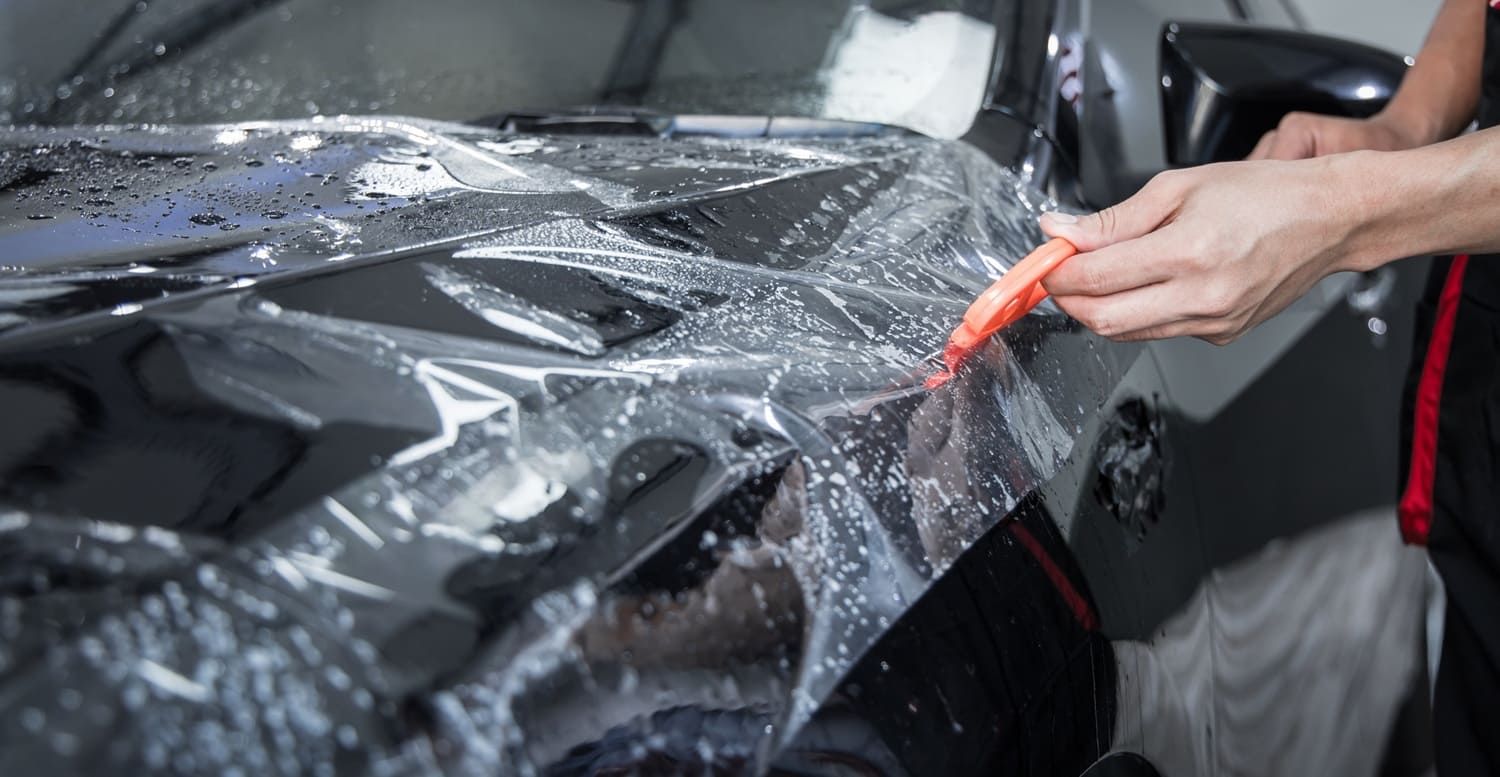
Sun Stoppers is Fort Pierce and St. Lucie County’s premier window tinting specialist with over 30 years of trusted service to the Treasure Coast community. In addition to auto, residential, and commercial tinting, Sun Stoppers offers LLumar Paint Protection Film options including Valor PPF, Select Black PPF, Platinum Extra PPF, Platinum Gloss PPF, Platinum Matte PPF, and gloss and matte PPF choices. This matters for Florida drivers who want both cabin comfort and paint protection against sun, road wear, and daily driving conditions.
LLumar ceramic vs LLumar standard at the same shade
Customers often compare films at the same visible light transmission (VLT) percentage because they want a specific look. The table below explains why ceramic can still deliver better comfort even when the shade looks similar.
| Comparison point (same VLT) | LLumar standard auto window tint | LLumar ceramic auto window tint |
|---|---|---|
| Heat and IR rejection | Good comfort improvement, varies by series | Higher IR-focused performance for Florida heat relief |
| UV blocking | Strong UV protection is common in reputable films | Typically marketed as up to 99% UV protection |
| Color shift resistance | Good, depends on series and installation | Excellent stability designed for intense sun exposure |
| Glare reduction | Primarily tied to shade choice | Also tied to shade choice, with added comfort benefits |
| Warranty coverage | Backed by manufacturer warranty when installed by an authorized dealer | Premium warranty coverage when installed by an authorized dealer |
Bottom line: If you want the best comfort per legal-friendly shade, ceramic is often the most effective upgrade because it is engineered for infrared heat rejection, not only for appearance.
How to Choose Between Ceramic and Standard Tint for Your Vehicle, Home, or Business in Fort Pierce
Direct answer: Choose ceramic when you want maximum heat relief, premium durability, and long-term stability in Florida sun. Choose standard film when budget is the priority and your performance expectations are more basic.
Step 1: Define the main problem you want to solve
- Heat relief: Ceramic is usually the best choice for Florida comfort.
- Glare reduction: Shade selection matters most, and ceramic adds comfort benefits.
- Interior protection: Choose a film with strong UV performance.
- Privacy: Shade selection is key, and the right film maintains a clean look.
Step 2: Match film choice to vehicle type and usage
A daily commuter driving between Fort Pierce and Stuart has different needs than a weekend vehicle. Families often prioritize comfort and UV protection for passengers. Business vehicles that are on the road all day often benefit the most from the heat performance upgrade.
Step 3: Consider electronics compatibility
Many customers ask whether tint affects GPS, Bluetooth, or phone signals. Film type matters here. Non-metal ceramic films are commonly selected specifically to minimize the risk of interference concerns. If you rely heavily on connectivity, mention it during your estimate so the right film is recommended.
Step 4: Understand Florida tint law basics for 2026
Florida tint rules are based on visible light transmission requirements that can vary by window location and vehicle type. Because enforcement and exceptions can vary, the safest approach is to have your installer confirm compliance for your specific vehicle and desired shade. If you are researching “ceramic vs standard window tint Florida,” remember this: you can often get premium heat performance from ceramic even at lighter shades that are easier to keep compliant.
Step 5: Choose a trusted installer on the Treasure Coast
Even the best film can underperform if the installation is not done correctly. Sun Stoppers Window Tinting has over 30 years of trusted service in Fort Pierce and St. Lucie County, with 5-star ratings across Google, Yelp, and Facebook from thousands of satisfied customers. Working with a certified team is one of the best ways to ensure a clean result and strong warranty support.
FAQ
Why is ceramic window tint better than standard dyed film for Florida drivers?
Ceramic film is engineered for higher heat and infrared rejection, plus better long-term stability, which matches Florida’s intense sun and year-round heat.
Does ceramic tint actually keep a car cooler than standard window film?
In many cases, yes. Ceramic tint is designed to block more infrared energy, which can reduce the heat you feel through the glass, even at similar shade levels.
How long does ceramic window tint last compared to standard film in Florida heat?
Ceramic films are typically designed for longer-lasting performance and color stability in harsh climates. Actual lifespan depends on film series, installation quality, and sun exposure.
Will ceramic tint fade or turn purple in Fort Pierce’s sun and humidity?
Premium ceramic films are built for high color stability, and many owners choose them specifically to reduce the risk of unwanted color shift over time.
Does ceramic window tint interfere with GPS, Bluetooth, or phone signals?
Non-metal ceramic films are commonly selected to avoid signal interference concerns. Always confirm the film type and tell your installer what electronics you rely on.
Is ceramic tint worth the extra cost for a daily driver in Fort Pierce?
For many daily drivers on the Treasure Coast, the comfort and long-term durability benefits can justify the premium price, especially in year-round heat.
What are Florida’s legal tint limits for cars in 2026?
Florida uses VLT requirements that vary by window and vehicle type. The best step is to choose a shade that your installer can verify as compliant for your vehicle.
Can I get ceramic tint for my home or business windows in Fort Pierce?
Yes. Ceramic-style and other high-performance LLumar window films are available for residential and commercial glass to improve comfort, glare control, and UV protection.
Does LLumar ceramic tint come with a lifetime warranty at Sun Stoppers?
LLumar films installed by an authorized dealer typically include strong manufacturer warranty coverage, often described as lifetime for automotive applications. Confirm details for your specific film series and usage.
How long does a professional window tinting installation take at Sun Stoppers in Fort Pierce?
Install time depends on the vehicle or building and the scope of work. Sun Stoppers can provide an accurate time estimate during your quote.
Conclusion: ceramic is the performance upgrade Florida demands
For most Fort Pierce drivers, homeowners, and business owners, ceramic window tint is the superior choice over standard dyed film because it is built for what the Treasure Coast delivers every day: intense sun, high UV exposure, year-round heat, and humidity that can accelerate the breakdown of lower-performing films. LLumar ceramic window film delivers measurably better heat rejection, infrared blocking, UV protection, and long-term color stability than standard film at the same shade level, which is exactly why it is a premium choice in South Florida’s demanding conditions. The smartest way to protect your investment is to work with a trusted, certified LLumar dealer that can recommend the right film for your goals and install it flawlessly.
Sun Stoppers Window Tinting has been Fort Pierce and St. Lucie County’s most trusted window tinting specialist for over 30 years, proudly serving Fort Pierce, Port St. Lucie, Stuart, Vero Beach, Jensen Beach, and the greater Treasure Coast area with professional LLumar window film and paint protection film installations backed by 5-star rated service and a lifetime manufacturer warranty on eligible products. Call (772) 468-3009 or request a free estimate online for auto, residential, or commercial ceramic window tinting using premium LLumar window films.