Is Ceramic Tint Worth It for Florida Daily Drivers 2026?
For Florida drivers, the question is not whether window tint matters. It is whether the extra money for ceramic tint pays off in real daily use. In Fort Pierce, Port St. Lucie, Vero Beach, and Stuart, drivers deal with bright sun, high humidity, strong UV exposure, and long stretches of heat for most of the year. That makes tint quality more important here than in cooler states where heat buildup is less severe. Ceramic film stands apart because it uses advanced non-metallic ceramic particles to reduce heat and block UV rays without the signal issues sometimes associated with older metal-based films. In 2026, buyers also have more ceramic product options and price points than ever before. That means ceramic tint can be a smart upgrade for many daily commuters, but the right choice still depends on budget, time on the road, how long you plan to keep the car, and how much comfort and protection you want every day.
Table of Contents
- What Makes Ceramic Window Tint Different
- How Much Heat and UV Protection Ceramic Tint Really Provides
- Ceramic Tint Cost vs Dyed and Carbon Tint in Florida
- Daily Driving Benefits: Interior Protection, Comfort, and Fuel Efficiency
- Is Ceramic Tint Worth It for Short Commutes vs Long Drives
- How Long Ceramic Tint Lasts Compared to Other Films
- Signs It's Time to Upgrade Your Current Tint to Ceramic
- FAQ
- Final Verdict
What Makes Ceramic Window Tint Different
Direct answer: Ceramic window tint is different because it is engineered to manage heat and UV exposure more effectively than basic dyed film, while maintaining strong clarity and avoiding interference with everyday electronics.
Most drivers researching ceramic tint worth it want to know whether the higher price reflects real performance or just marketing. The difference is real. Dyed tint is usually the entry-level option. It helps reduce glare and darken windows, but it does not offer the same level of heat control or long-term durability. Carbon tint is a step up, often providing better fade resistance and improved performance over dyed film. Ceramic film sits at the premium end because it is built for stronger solar control, better comfort, and long-term consistency.
Why ceramic film performs differently
Ceramic film uses advanced ceramic particles embedded in the film layer. These particles are non-metallic, which is important for modern daily drivers who rely on GPS, Bluetooth, mobile data, keyless entry, and radio signals. A high-quality ceramic window tint Florida drivers choose is usually focused on balancing visible light transmission, glare control, UV blocking, and heat rejection without sacrificing visibility.
Why this matters in Fort Pierce and St. Lucie County
Driving in Fort Pierce and nearby areas means dealing with intense sun exposure in every season. Commutes across Port St. Lucie, weekend drives to Stuart, or errands around Vero Beach all add up to repeated interior heat soak. That daily buildup affects comfort, dash materials, upholstery, and how hard your air conditioning has to work. For drivers who spend regular time behind the wheel, ceramic film is often the best tint for Florida heat because it addresses more than just appearance.
How Much Heat and UV Protection Ceramic Tint Really Provides
Direct answer: Ceramic tint can provide excellent UV blocking and noticeably better heat management than dyed film, with many premium products also outperforming standard carbon films in total comfort.
When people ask whether ceramic window tint Florida drivers buy actually works, they usually mean one thing: will the car feel cooler? In daily use, the answer is often yes. Ceramic film is designed to reduce the amount of solar energy entering the cabin. That can help lower the harsh radiant heat you feel on your skin, reduce dashboard and seat overheating, and make the vehicle more manageable when parked outside.
Heat rejection in real-world Florida driving
Heat protection matters most when your car sits in direct sun, when you drive during midday, and when your route includes stop-and-go traffic. In those conditions, ceramic tint can make a meaningful difference in comfort. The cabin may cool down faster, hot spots near side windows may feel less intense, and front-seat comfort can improve during longer drives.
UV protection and interior preservation
UV exposure is not just a skin concern. Over time, Florida sunlight can contribute to fading upholstery, drying interior trim, and premature wear on dashboards and panels. Premium ceramic films are commonly chosen because they are designed to provide very high UV protection while also helping manage heat. That dual benefit is one reason ceramic tint cost often makes sense for drivers planning to keep a vehicle for several years.
| Tint Type | Heat Rejection | UV Protection | Glare Reduction | Optical Clarity | Durability / Fade Resistance | Signal Interference | Average Cost in Florida |
|---|---|---|---|---|---|---|---|
| Ceramic Tint | High | Excellent | High | Excellent | Excellent | None from non-metallic film | Higher |
| Carbon Tint | Moderate to High | Very Good | High | Very Good | Very Good | Typically none | Mid-range |
| Dyed Tint | Low to Moderate | Good | Moderate | Good | Lower over time | None | Lower |
For buyers comparing ceramic vs carbon tint, the biggest advantage of ceramic is usually stronger comfort performance over time. Carbon can still be a solid option, but ceramic is often the more complete solution for drivers who want premium daily results.
Ceramic Tint Cost vs Dyed and Carbon Tint in Florida
Direct answer: Ceramic tint costs more upfront than dyed or carbon tint, but the price difference often reflects better heat rejection, higher comfort, and longer service life in Florida conditions.
Cost is one of the biggest factors in the ceramic tint worth it debate. For many daily drivers, ceramic feels expensive at first because it is compared to basic dyed film. But that is not always an apples-to-apples comparison. You are paying for a different level of material performance and long-term value.
Why ceramic tint costs more
Ceramic films are premium products. They are engineered for stronger thermal performance, stable color, good visibility, and long-term durability. The installer also matters. Precise installation, clean edges, and quality film selection all affect the final value. That is why many drivers looking for window tinting Fort Pierce services choose an experienced shop using trusted brands such as LLumar window film.
Typical price positioning in Florida
In broad terms, dyed tint is usually the budget option, carbon is the middle tier, and ceramic is the premium tier. The exact ceramic tint cost depends on vehicle size, film line, window coverage, and local labor rates. For drivers who spend a lot of time in the car, the extra investment often makes more sense than it does for a secondary vehicle with limited road time.
| Film Type | Lower Upfront Cost | Likely Need for Replacement in Florida | Estimated 5 to 10 Year Value |
|---|---|---|---|
| Ceramic Tint | No | Lower when high-quality film is professionally installed | Often strongest long-term value |
| Carbon Tint | Moderate | Moderate | Good balance for mid-range budgets |
| Dyed Tint | Yes | Higher | Can become more expensive if replaced sooner |
If you plan to keep your vehicle for years, the long-term economics can shift in ceramic’s favor. Paying less upfront for cheaper film may not save money if the tint fades, bubbles, or performs poorly in Florida sun and has to be replaced.
Daily Driving Benefits: Interior Protection, Comfort, and Fuel Efficiency
Direct answer: For daily commuters, ceramic tint can improve comfort, reduce interior wear, cut glare, and help the air conditioning system work more efficiently during hot weather.
The value of ceramic tint becomes easier to understand when you look beyond the install day and think about every drive that follows. A commuter heading from Fort Pierce to Port St. Lucie every weekday may spend hundreds of hours a year inside a sun-exposed cabin. Small comfort gains matter when they happen every day.
Interior protection
One of the strongest reasons to choose LLumar ceramic tint or another premium ceramic product is long-term cabin protection. Strong UV control helps reduce the stress that repeated sunlight places on leather, vinyl, plastics, and trim. This can help preserve how the interior looks over time, which matters if you want to keep the car in good condition or protect resale appeal.
Comfort and reduced glare
Florida sunshine is not just hot. It is bright. Daily glare can cause eye strain and make commutes less pleasant. Ceramic film helps reduce that harshness while maintaining strong visibility. For drivers commuting at sunrise or late afternoon, this can be one of the most appreciated benefits.
AC efficiency and fuel use
Ceramic tint is not a fuel-saving upgrade in the same way as major mechanical changes, but reducing cabin heat can lower how hard the AC needs to work to maintain comfort. On a daily driver in Florida, that can contribute to a more consistent cooling experience and may modestly support efficiency by reducing AC load in hot conditions.
Is Ceramic Tint Worth It for Short Commutes vs Long Drives
Direct answer: Ceramic tint is usually most valuable for drivers who spend more time in the car, park outdoors often, or plan to keep the vehicle for several years, but even short-trip drivers in Florida may benefit from the added comfort and UV protection.
Not every daily driver has the same needs. Someone with a ten-minute commute may judge value differently than a driver covering long distances through St. Lucie County every day. The key question is how often your car sits in direct sun and how much the heat affects your routine.
When ceramic makes the most sense
- Drivers with long commutes or frequent road time
- Vehicles parked outside at work or home
- Owners planning to keep the car for many years
- People sensitive to heat, glare, or strong sun exposure
- Drivers who want a premium everyday experience
When carbon or dyed tint may still fit
If the car is mostly garaged, used occasionally, or nearing the end of its ownership cycle, carbon or even dyed film may fit a tighter budget. But for most people researching best tint for Florida heat, ceramic stands out because the climate makes the performance gap easier to feel in everyday use.
How Long Ceramic Tint Lasts Compared to Other Films
Direct answer: High-quality ceramic tint usually lasts longer and stays more stable than cheaper tint options when exposed to years of Florida sun and heat.
Durability is one of the biggest reasons premium film can deliver stronger value. Florida is demanding on window film. Constant UV exposure, heat cycling, and everyday wear can accelerate fading and deterioration in lower-grade products. A film that looks acceptable on day one may not look as good after several summers.
What drivers want to avoid
Most vehicle owners are trying to avoid common problems such as purple discoloration, bubbling, peeling, and uneven appearance. Lower-cost films are generally more vulnerable to these issues over time. Ceramic film is often chosen because it is designed for better color stability and stronger long-term performance.
Why installation quality matters
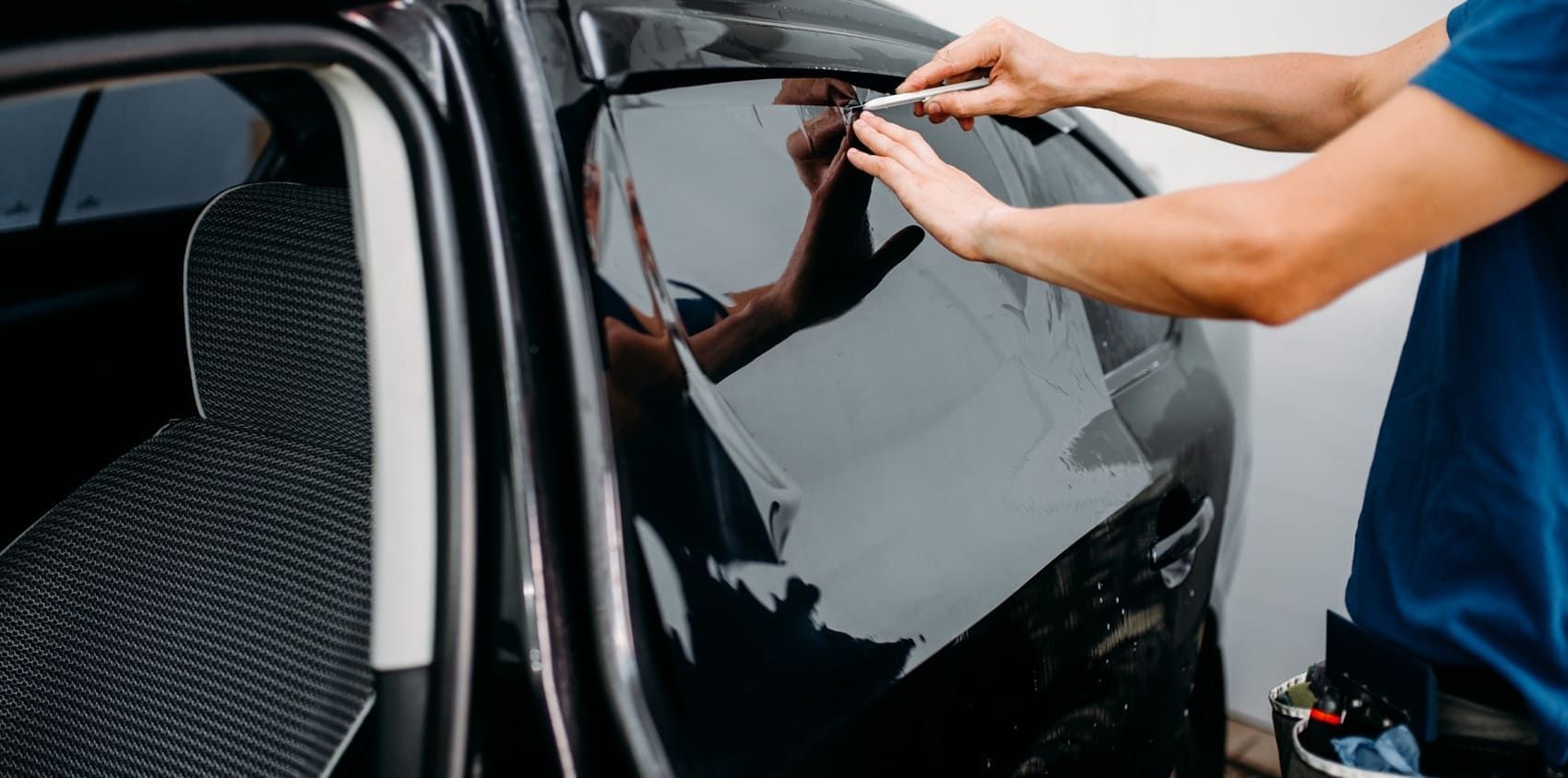
Film performance depends on both the product and the install. Professional installation helps the film sit correctly, cure cleanly, and perform as intended. That is why Sun Stoppers Window Tinting positions LLumar ceramic tint as a premium solution for daily drivers who want dependable results, fade-free and bubble-free durability, and a lifetime warranty backed by professional workmanship.
Signs It's Time to Upgrade Your Current Tint to Ceramic
Direct answer: If your current tint is fading, bubbling, underperforming in heat, or no longer meeting your daily comfort needs, upgrading to ceramic may be the smarter next step.
Many Fort Pierce drivers first consider ceramic after living with lower-grade tint. If the cabin still feels harshly hot, the seats overheat quickly, or the film has started showing age, the upgrade case becomes stronger.
Common signs your current tint is no longer enough
- The interior still gets extremely hot during normal parking
- You notice fading, bubbling, or discoloration
- Glare remains a problem during morning or afternoon driving
- You now drive more often or spend more time on the road
- You want better long-term protection for a newer vehicle
Why 2026 is a good time to upgrade
Drivers shopping in 2026 have access to more ceramic choices than ever. That makes it easier to match performance and budget. If you already know your current film is not enough for Florida conditions, moving to a premium ceramic product can be a practical upgrade rather than a luxury purchase.
FAQ
Is ceramic tint worth the extra money in Florida?
For many daily drivers, yes. Florida heat, sun, and UV exposure make the comfort and protection benefits easier to notice. Drivers who commute often or park outside usually see the most value.
How much does ceramic tint cost compared to regular tint?
Ceramic tint cost is usually higher than dyed or standard tint because it is a premium film category. The tradeoff is stronger performance, better durability, and often lower replacement risk over time.
Does ceramic tint really keep a car cooler in Florida heat?
It can help significantly with heat management by reducing solar energy entering the cabin. While no tint eliminates heat entirely, ceramic film can noticeably improve comfort in hot Florida conditions.
How long does ceramic tint last on a daily driver?
High-quality ceramic film that is professionally installed can last for many years and typically outlast lower-tier films in Florida sun exposure. Product quality and installation quality both matter.
Is ceramic tint better for UV protection than regular tint?
Premium ceramic film is commonly chosen for very strong UV protection. That makes it a smart choice for people concerned about both skin exposure and interior fading.
Does ceramic tint help with sun damage to the interior?
Yes. By reducing UV exposure and helping control heat, ceramic tint can support long-term protection for seats, dash materials, trim, and other interior surfaces.
Can ceramic tint improve gas mileage or AC efficiency?
It may help the AC work more efficiently by lowering cabin heat load, especially in summer. Any fuel savings are usually modest, but improved cooling comfort is a common daily benefit.
Is ceramic tint legal in Florida?
Florida has window tint laws that regulate allowable darkness and certain application details. A professional installer can help you choose a ceramic film setup that aligns with Florida requirements for your vehicle.
What is the difference between ceramic and carbon tint?
Ceramic tint usually offers stronger heat management and premium overall performance, while carbon tint is often a mid-range alternative with solid durability and glare reduction. For many drivers, ceramic is the better long-term choice.
Should I upgrade my current tint to ceramic when it's time to replace it?
If your current film is aging or if you want better heat rejection, UV protection, and long-term value, upgrading to ceramic is often the smartest replacement choice for a Florida daily driver.
Final Verdict: Is Ceramic Tint Worth It for Florida Daily Drivers in 2026?
For most commuters and everyday vehicle owners in Fort Pierce, Port St. Lucie, Vero Beach, Stuart, and the surrounding St. Lucie County area, ceramic tint is worth the investment. The Florida climate puts real pressure on both drivers and vehicles, which makes better heat rejection, strong UV protection, reduced glare, and long-term durability more than a luxury. They become everyday quality-of-life benefits.
While dyed and carbon films may fit some budgets and use cases, ceramic is often the better answer for drivers who spend regular time on the road and want lasting comfort and protection. When paired with expert installation, LLumar ceramic tint offers the premium performance many Florida drivers are looking for, along with fade-free, bubble-free durability and a lifetime warranty.
If you are comparing ceramic vs carbon tint or trying to decide whether ceramic tint worth it is more than just a sales pitch, the practical answer is simple. For most Florida daily drivers, it pays off. To explore the right LLumar option for your vehicle, contact Sun Stoppers Window Tinting for a free tint consultation and quote in Fort Pierce.